


Description
Technical Specifications
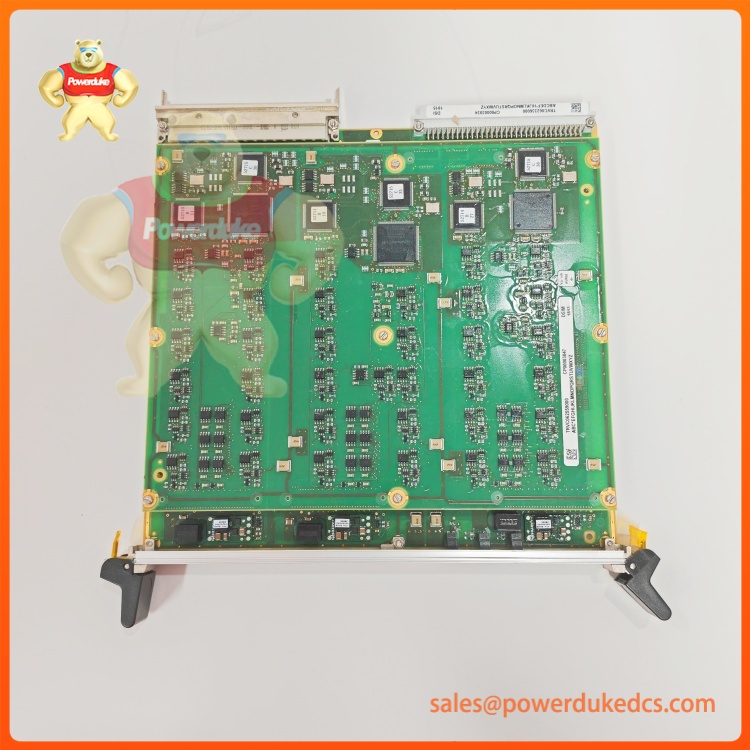
- Product Model: DSI1817 TRVC062335000 CP00003934
- Brand: ALSTOM
- Warranty: One Year
- Input Voltage: 24 V DC ±15% (typical industrial control power supply)
- Operating Temperature: −10 °C to +65 °C (industrial environments)
- Storage Temperature: −40 °C to +85 °C
- Response Time: ≤ 2 ms signal acquisition response
- Protection Class: Industrial control module with galvanic isolation
- Accuracy Class: High-integrity digital signal detection for safety-related systems
- Output Frequency: Not applicable (digital input processing module)
- Rated Current Range: ≤ 7 mA per input channel at 24 V DC
- Communication Interface: Harmony system backplane bus
- Supported Protocols: Compatible with industrial networks such as Profibus DP, Modbus RTU, and Ethernet-based systems via communication modules
- Overload Capacity: 2.5 kV AC galvanic isolation between channels and system ground
- Input Channels: 16 isolated digital inputs (grouped in four isolated blocks)
- Signal Types: 24 V DC signals or dry-contact inputs
- Diagnostic Features: Channel LEDs, built-in self-test, and online diagnostics
- Mounting Type: Slot installation in ALSTOM Harmony DCS chassis
- Dimensions: Approx. 95 × 145 × 38 mm

Product Description
Product Overview
The ALSTOM DSI1817 TRVC062335000 CP00003934 is a digital input module designed for integration within ALSTOM Harmony distributed control systems (DCS). It serves as an interface between field devices—such as limit switches, sensors, and relay contacts—and the control processors that manage complex industrial processes. By converting discrete electrical signals into standardized digital data, the module enables reliable monitoring of equipment status and process conditions across large-scale automation systems.
This module provides 16 isolated digital input channels capable of handling both voltage-based signals and dry-contact inputs. Its galvanic isolation protects the control system from electrical noise, transient surges, and ground loops that commonly occur in industrial environments. These protective features help maintain signal integrity and improve overall system reliability.
Designed for harsh operational environments, the module operates across wide temperature ranges and supports robust diagnostic functions, including LED status indicators and built-in self-testing. When installed within the ALSTOM Harmony control platform, the module contributes to real-time monitoring and safety-critical automation tasks in power plants, transportation infrastructure, and industrial process systems.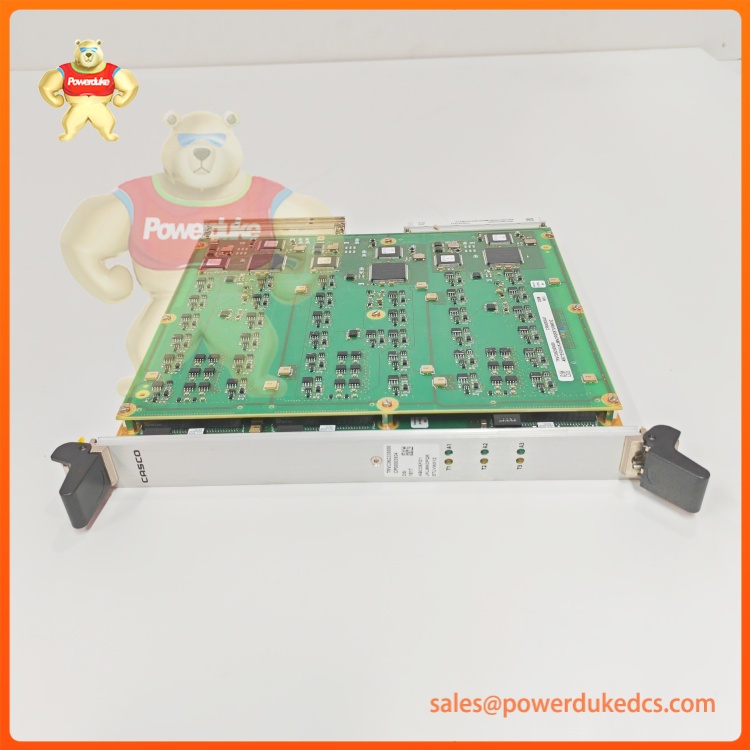
Key Functions
Multi-Channel Digital Signal Acquisition
The module provides 16 isolated input channels capable of detecting ON/OFF signals from field devices. This enables real-time monitoring of switches, relays, and sensor contacts used throughout industrial control systems.
Electrical Isolation for System Protection
Each channel group is galvanically isolated from the system ground, protecting the control electronics from voltage spikes and electromagnetic interference. This isolation improves reliability in environments with heavy electrical equipment.
Flexible Input Signal Compatibility
The module supports both 24 V DC digital signals and dry-contact inputs, allowing integration with a wide range of field instrumentation including proximity sensors, limit switches, and safety interlocks.
Integrated Diagnostics and Fault Detection
LED indicators and self-test functions help maintenance personnel quickly identify wiring faults, channel failures, or power issues. Diagnostic data can also be transmitted to the control system for predictive maintenance.
Seamless DCS Integration
Through the Harmony system backplane and optional communication modules, the device integrates with industrial networks such as Profibus or Modbus, allowing centralized monitoring within distributed automation architectures.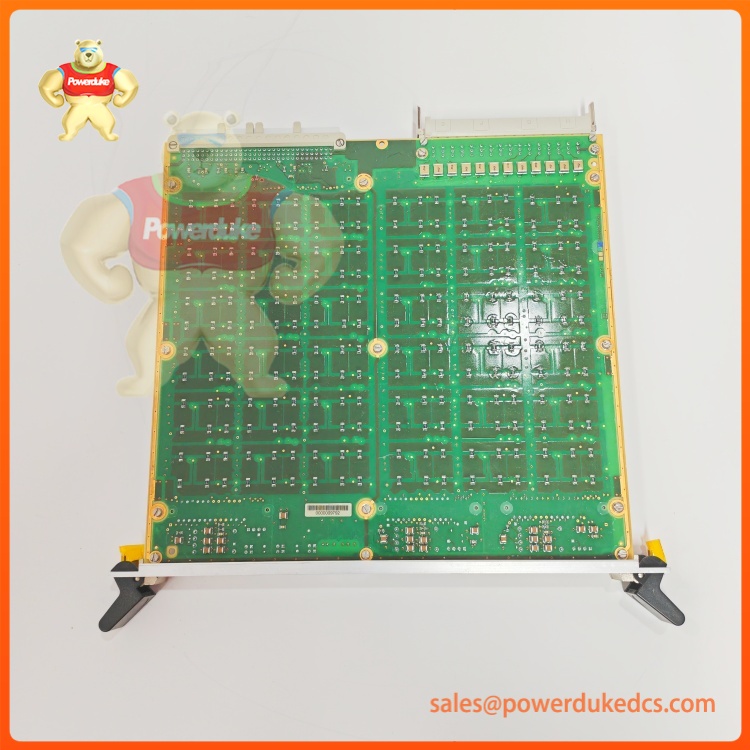
Application Scenarios
Power Generation Plants
In thermal or hydroelectric power stations, the module monitors turbine valve positions, breaker status signals, and emergency shutdown buttons, providing critical input data to plant control systems.
Railway and Transportation Systems
Control cabinets in traction or auxiliary systems use digital input modules to read signals from door sensors, track switches, and safety devices that support reliable railway operation.
Manufacturing Automation
Production lines rely on discrete signals from sensors and limit switches to coordinate machinery. The module captures these signals and transfers them to PLC or DCS controllers for process coordination.
Oil and Gas Facilities
Refineries and offshore platforms use digital input modules to monitor safety devices, valve positions, and alarm contacts, enabling immediate response to abnormal process conditions.






