Description
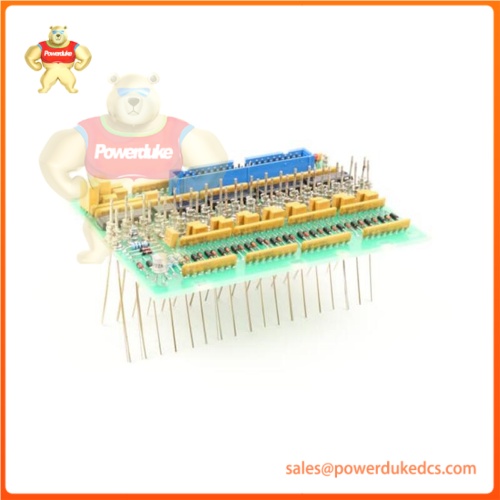
- Model & Brand: ABB / Rotating Machines & Excitation Systems (Catalog No. 7625013-S / Brush Block Assembly with PFSK 113)
- Physical Dimensions: Compact modular industrial brush holder and printed circuit/terminal block profile designed for direct mounting on generator or high-voltage motor slip ring housings
- Estimated Shipping Weight: 0.65 kg (Packaged in multi-layer anti-static ESD shielding, moisture-barrier bagging, and structural foam crating)
- What’s in the Box: 7625013-S brush block unit (including integrated PFSK 113 components), pre-fitted carbon brushes, terminal connectors, hardware identification tag, and factory inspection report.
Critical power generation plants, heavy industrial turbine-generators, and high-voltage synchronous motor drives running ABB excitation architectures require precision brush block assemblies to maintain continuous, low-resistance electrical contact between stationary power feeds and rotating slip rings. System engineers and electrical technicians integrate the ABB 7625013-S Brush Block Assembly directly onto generator exciter housings to transfer excitation current reliably, prevent arcing, and accommodate smooth mechanical carbon brush wear (—which is vital for maintaining stable field excitation, preventing slip ring scoring, and ensuring uninterrupted operational stability across heavy industrial generation cycles).
Electrical technicians must enforce strict lockout/tagout (LOTO) and zero-energy verification protocols before inspecting, adjusting, or replacing brush blocks to avoid severe electrical shock or mechanical entrapment hazards from rotating shafts.
| Parameter | Value |
| System Platform | ABB Excitation Systems / Rotating Machine Architecture |
| Module Type | Brush Block Assembly (Includes PFSK 113 interface module) |
| Core Function | Current transfer to rotating slip rings, electrical continuity, and excitation control |
| Component Configuration | Precision spring-loaded carbon brush holder block with integrated terminal base |
| Mounting Type | Bolt-secured bracket layout on generator/motor brush rigging frames |
| Operating Temperature Range | -20°C to +80°C (-4°F to +176°F) standard industrial generator enclosure window |
| Environmental Protection | IP20 enclosure-protected internal excitation assembly |
Auditors inspecting power generation plants, heavy industrial utility rooms, and excitation control systems require rigorous documentation verifying electrical insulation integrity, brush wear limits, and regulatory compliance.
- CE Mark: Confirms conformity with European Union directives covering electromagnetic compatibility (EMC) and low-voltage electrical safety.
- Industrial Standards: Complies with international specifications for rotating electrical machines, slip ring assemblies, and excitation equipment.
- RoHS Compliance: Restricts hazardous chemical substances in electronic and electrical component manufacturing (or satisfies applicable industrial spares exemptions).
Compliance Note: Compliance with rigorous industrial electrical safety guidelines ensures that brush block assemblies maintain adequate creepage distances and low contact resistance under continuous thermal and centrifugal loads. Verify specific generator maintenance manuals prior to facility audits.
Dormant brush block assemblies and carbon components stored in warehouse stockroom bins face spring tension fatigue, terminal oxidation, and moisture absorption in the carbon matrix if environmental parameters escape strict control limits.
Keep the module sealed tightly inside its original moisture-barrier packaging to safeguard spring mechanisms, flexible shunts, and contact blocks from airborne dust, humidity, and chemical vapors. Maintain warehouse storage temperatures between -10°C and +40°C with relative humidity kept strictly below 60% non-condensing. Ensure the unit remains protected from heavy physical drop forces that could fracture the molded insulating body or damage delicate brush shunts.
Spring tension alignment, secure mounting torque, and safety lockout protocols dictate physical installation success. Ensure all excitation power feeds are completely locked out (LOTO) and verify that the rotating shaft is completely stopped and grounded before servicing. Mount the 7625013-S unit securely to the brush rigging frame, torque all mounting hardware to manufacturer specifications, check smooth vertical movement of the carbon brushes within their holders, and verify excitation circuit resistance before re-energizing.
- What is the correct HS Tariff Code for international customs clearance?Carbon brushes, electrical brush blocks, and parts of electric generators/motors classify under harmonized code 8545.20 or 8503.00, though exact regional rulings should be verified with your broker.
- Does this brush block module require software configuration after replacement?No, as a mechanical and electrical contact assembly, it operates purely via physical current transfer and spring tension without requiring programmable software configuration.
- How does the Country of Origin (COO) impact global trade compliance?The verified COO dictates trade agreement qualification and must match commercial shipping paperwork to eliminate border customs clearance delays.
- Why is comprehensive transit insurance mandatory for this component?Precision molded insulating bodies, internal constant-pressure spring coils, and carbon components can suffer structural cracking or mechanical distortion under severe drop impacts during freight transit.