Description
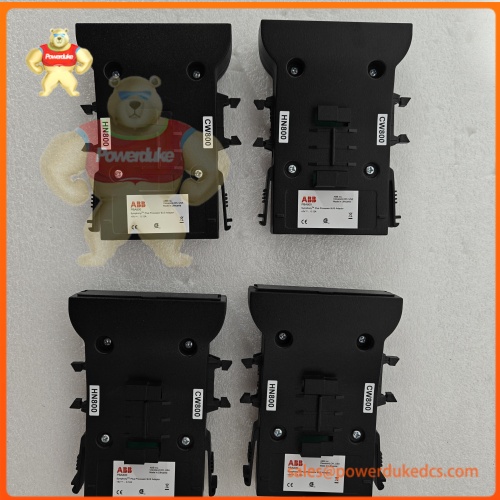
1.Unboxing & Physical Snapshot (Dynamic List)
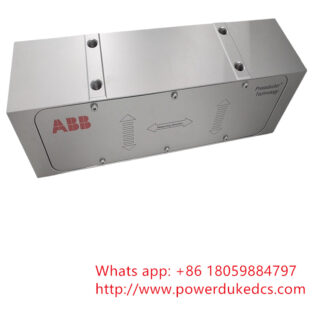
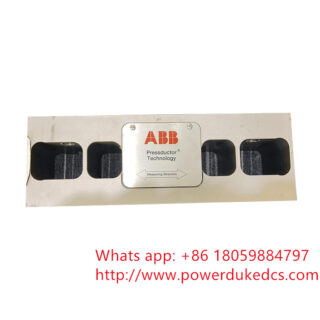
- Brand & Model: ABB Bailey / Symphony Plus HN800 Process Bus Adaptor — PBA800
- Physical Dimensions: Approximately 17.0 cm x 7.4 cm x 24.4 cm (Width x Height x Depth)
- Estimated Shipping Weight: 0.36 kg (Requires secure double-walled carton packaging with high-density foam)
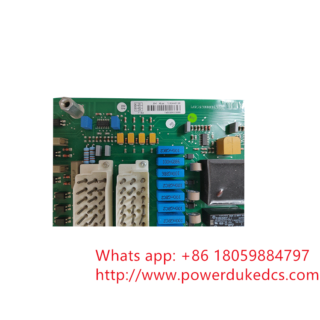
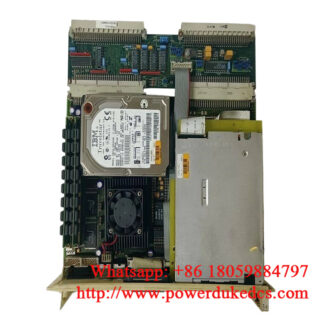
- What’s in the Box: Process bus adaptor circuit card assembly, integrated backplane interface pins, and factory inspection stamps (Note: HN800 fiber-optic or copper patch cables are ordered separately).
2.Product Introduction
This interface hardware anchors high-availability distributed control layouts, routing deterministic data traffic across demanding plant environments where severe electromagnetic interference threatens signal integrity. Instrumentation technicians mount the module directly onto specialized chassis backplanes, matching the keyed connector pins to bridge controller nodes with remote input/output sub-networks safely.
Operational reliability mandates using genuine OEM architecture instead of grey-market replicas. Deploying this exact bus adaptor guarantees proper timing synchronization across the HN800 network, preventing data packet collisions and unexpected node dropouts during critical continuous process runs.
3.Core Technical Specifications
- Bus Architecture: HN800 Process Bus interface
- Mounting Type: Dedicated chassis/rack slot configuration
- Operating Temperature: 0°C to +60°C standard industrial threshold
- Signal Compatibility: High-speed serial and node communication protocols
- Enclosure Material: Engineered structural polymer with an integrated metallic backplane shield
- Power Consumption: Low-draw internal power regulation via system backplane bus
- Diagnostic Indicators: Front-plate LED status array for loop and communication health
- Connection Standard: NKTUxx node linkage support
4.Global Compliance & Industry Certifications
Auditors require full documentation packages to satisfy plant insurance underwriters and regional electrical inspectors. This component complies with major industrial benchmarks, carrying expected designations such as the CE Mark for European conformity, UL/cUL listing for industrial control panels, and hazardous location suitability criteria.
A proper UL listing ensures that internal circuit isolation barriers will safely contain fault currents, shielding plant operators from unexpected shock risks during live rack maintenance. Verify specific lot certifications with OEM.
5.Long-Term Storage & Asset Preservation Guide (E-E-A-T Goldmine)
Industrial control spares often sit dormant in stockroom inventories for years, making proactive environmental preservation vital to prevent premature component failure upon deployment. Keep the module inside its original factory-sealed anti-static (ESD) moisture-barrier bag to protect vulnerable surface-mount integrated circuits from ambient humidity and sulfur-laden air. Store the hardware on static-dissipative shelving where ambient storage temperatures remain steady between 10°C and 30°C with relative humidity controlled below 60 percent to prevent conformal coating degradation. If the asset remains unpowered in a storeroom past five years, consult internal reliability engineering standards regarding component reccertification or bench testing.
- Physical Installation Prerequisites
Insert the module into designated rack slots within a grounded industrial enclosure, ensuring complete physical alignment before engaging the backplane edge connectors. Maintain mandatory vertical and horizontal spacing channels around the cabinet chassis to support optimal ambient air convection, and verify that the master control cabinet chassis bond connects securely to the plant earth ground grid to suppress high-frequency noise.
- Buyer’s FAQ (Logistics & Compliance Focus)
- What is the correct Harmonized System (HS) tariff code for international shipments? Distributed control system parts and bus adaptors generally fall under HS code 8538.90, but logistics teams should always confirm local customs interpretations with their broker.
- Does the module include pre-loaded operational firmware? The hardware ships with baseline system ROM matching the manufacturing revision, but engineering groups must validate compatibility against the plant’s active control configuration build.
- How does the Country of Origin (COO) affect export compliance? The official COO documentation must align precisely with commercial shipping invoices to clear customs inspections without costly import delays or tariff penalties.
- What transport insurance guidelines apply to this asset? Due to the high replacement cost of active control system hardware, shipments should be fully insured via bonded freight carriers using shock-monitoring container labels.