Description
 Meta Description
Optimize inventory turn ratios and prevent stock-outs for the ABB 3BSE028144R20 DAPC 100 control unit. Access field engineering specs, Min/Max recommendations, and TCO metrics.
Strategy 1: Standard Lifecycle & Lifecycle Analysis
Component Profile
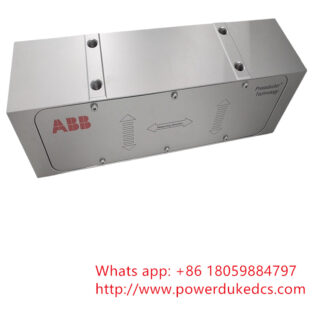
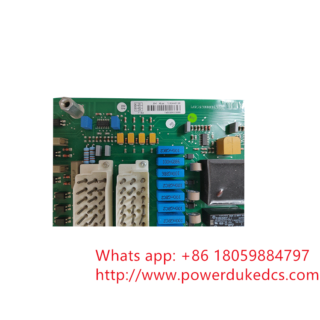
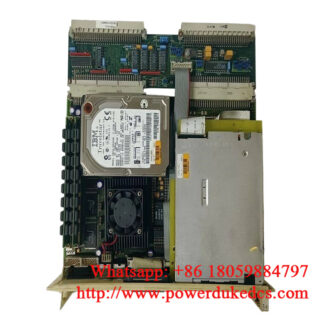
Field experience within large-scale metal rolling mills and heavy industrial drive systems indicates that the ABB 3BSE028144R20 (DAPC 100) application controller acts as a critical Class A system hub. This processing unit handles specialized, high-speed closed-loop control algorithms for excitation systems and large drive configurations. If a DAPC 100 processor fault occurs, the entire drive train trips, bringing dependent downstream operations to an immediate halt.
Parameter Specifics
| Parameter | Value |
| Model Designation | DAPC 100 |
| Part Number | 3BSE028144R20 |
| Condition Profile | Factory Sealed or New Surplus (Highly Preferred) |
| Cooling Requirements | Forced air or convection within sealed cabinet |
| Mounting Profile | Dedicated sub-rack/chassis system |
| Interface Ports | Specialized high-speed fiber-optic linkages / serial communication |
Supply Chain Risk Assessment
Can your plant afford to wait on a legacy supply chain for a specialized drive controller? Because the DAPC 100 series represents mature industrial technology, sourcing an emergency replacement from the OEM frequently involves lead times stretching from 12 to 24 weeks—assuming components are actively circulating. A stock-out incident on an primary drive line typically incurs downtime losses averaging $25,000 per hour.
[Lead Time: 12-24 Weeks] ──> [Stock-out Loss: $25,000/hr] ──> [Classification: Class A Critical Capital Spare] Stocking Recommendation & Cost Breakdown
- On-site Buffer Stock: 1 unit per operating fleet (held as an absolute insurance policy).
- Reorder Point (ROP): 1 unit. Initiate an immediate asset search the moment the on-site spare moves to the plant floor.
- Total Cost of Ownership (TCO): With market values for new surplus or verified modules commanding significant capital premiums (often around 8,000–12,000), a standard 20% carrying cost translates to roughly 1,600–2,400 annually. This holding cost is minor compared to the risk of leaving a multi-million dollar asset offline for weeks.
- Application Boundary: Do not store this unit in high-humidity or unconditioned tool cribs; internal micro-components require climate-controlled storage to prevent premature degradation.