

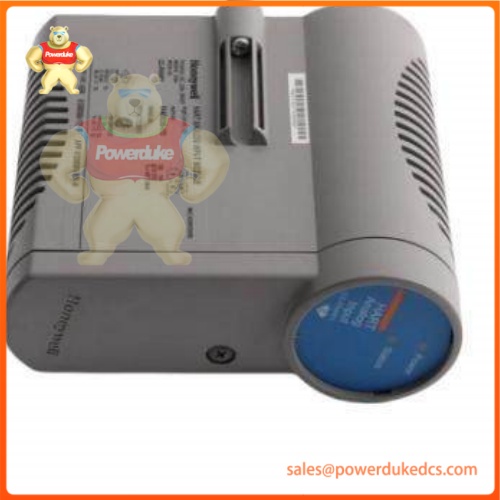
Description
 1. Unboxing & Physical Snapshot
- Model & Brand: 8C‑PAIMA1, Honeywell Experion C300 Series‑8 DCS (conformal coated version)
- Physical Dimensions (Approximate W x H x D): 42 mm × 274 mm × 216 mm
- Estimated Shipping Weight: 1.8 lb (includes module assembly, static‑shield bag, rigid foam‑lined carton)
- What’s in the Box: Low‑level temperature analog‑input module, integrated backplane edge connector, OEM printed installation datasheet; matching IOTA termination assembly 8C‑TAIMA1 is sold separately (procure compatible termination hardware during cabinet retrofits to avoid commissioning delays on furnace, reactor and thermal‑process loops)
2. Product Introduction (Structure B – Architecture hook)
This 8C‑PAIMA1 low‑level analog‑input module inserts into dedicated slots within the Honeywell C300 Series‑8 chassis and pairs with 8C‑TAIMA1 termination assembly for field TC/RTD sensor connections. Fully engaged backplane contacts deliver low‑level signal power and chassis safety bonding; partial seating yields drifting temperature readings and intermittent open‑sensor alarms that mimic faulty field transmitters in live thermal control strategies.
Reliability teams must validate full part‑number and hardware revision prior to spare rotation. Mechanically interchangeable C‑series analog‑input modules exist for 4‑20 mA signals and do not support thermocouple millivolt or RTD resistance measurements. A physically‑fit mismatched card locks to the C300 backplane yet cannot properly acquire low‑level temperature‑sensor data (a well‑documented outage risk within chemical, power and refinery facilities). No software parameter adjustment can resolve underlying hardware signal‑type mismatch.
3. Core Technical Specifications
| Parameter | Value |
|---|---|
| Module Type | Series‑8 low‑level temperature analog‑input module (TC / RTD), conformal coated |
| Input Channels | 16 galvanically‑isolated differential channels, channel‑to‑channel isolation |
| Supported Sensors | Multiple TC types(J,K,T,E,R,S,B); 2‑/3‑/4‑wire RTD(Pt100, Pt1000 etc.) |
| A‑D Resolution | 16‑bit |
| Scan Rate | 1‑second all‑channel fixed scan; built‑in cold‑junction compensation (CJC) for TC, open‑sensor detection (OTD) |
| Operating Supply Voltage | 24 VDC nominal; 21.6 VDC‑26.4 VDC operational range |
| Max Module Power Draw | 2.9 W |
| Operating Ambient Temperature | 0 °C to +60 °C (chassis cabinet ambient air) |
| Storage Temperature Range | ‑40 °C to +85 °C |
| Backplane Interface | Honeywell C300 Series‑8 proprietary chassis bus |
| Enclosure Rating | IP20 (cabinet‑mount‑only installation) |
| Conformal Coating | Factory‑applied acrylic conformal coat on populated PCB (‑8C variant)ManualsLib |
4. Global Compliance & Industry Certifications
- CE Mark aligned with EMC and low‑voltage equipment directives
- UL/cUL Listed for industrial DCS I/O hardware
- CSA certification for North American classified cabinet deployments
- ATEX / IECEx Zone 2 qualification for eligible manufacturing lots
UL listing validates high channel‑to‑backplane galvanic‑isolation performance, mitigating ground‑loop noise corruption for low‑millivolt thermocouple measurements. Verify specific‑lot certifications against OEM hardware documentation.
5. Long‑Term Storage & Asset Preservation Guide
Keep this temperature‑input module sealed inside its original ESD‑shielding bag for all warehouse shelf storage. Open static pouch exclusively at a properly‑grounded ESD workstation; unprotected fingertip contact leaves ionic residues accelerating trace corrosion beneath conformal coating.
Maintain storage‑vault relative humidity below 60 percent. Sustained high‑humidity exposure corrodes gold‑plated backplane edge contacts and degrades the acrylic conformal layer. Corroded contacts generate drifting temperature values and sporadic open‑sensor alarms after chassis insertion that evade standard power‑on self‑diagnostics.
No user‑serviceable lithium backup battery resides on this I/O assembly. Inspect edge‑connector pins every 18 months for oxidation or physical bending; deformed pins create partial contact and erratic thermal‑reading behavior.
6. Physical Installation Prerequisites
Slide the module fully into the C300 Series‑8 chassis slot and engage the built‑in locking latch until positive audible click is achieved; hot‑swap operation is supported under proper maintenance procedures. Maintain minimum 40 mm vertical clearance above and below the occupied slot for natural convection cooling. Restricted airflow elevates component junction temperatures and introduces temperature‑measurement offset drift.
Torque chassis protective‑earth connections to 1.1 N·m. Tie chassis protective‑earth to facility plant ground bus, never to isolated instrument signal grounds. Metal‑to‑metal chassis‑to‑module contact delivers EMI suppression for sensitive low‑level millivolt‑level sensor signals. Route TC/RTD field cabling physically separated from high‑current motor and contactor wiring runs to avoid induced noise. Always match with corresponding 8C‑TAIMA1 termination assembly for field‑sensor wiring connections.
7. Buyer’s FAQ
Q: What Harmonized System tariff code applies to 8C‑PAIMA1 for cross‑border shipments?
A: This legacy Honeywell DCS temperature‑input I/O module maps to HS 853710 for industrial control electronic assemblies. Customs inspectors commonly require full part‑number and hardware‑revision documentation. Confirm classification in cooperation with your import broker before tendering freight.
Q: How does Country of Origin impact audit acceptance for this end‑of‑life DCS spare?
A: Plant audit checklists cross‑reference nameplate Country‑of‑Origin markings with site‑approved asset registers. Parallel‑sourced spares carrying mismatched COO markings trigger formal audit observations, even when bench temperature‑simulator testing appears normal.
Q: Should supplementary shipping insurance be purchased for this obsolete C300 temperature‑input spare?
A: Yes. Transit shock can bend delicate backplane edge pins or produce invisible PCB micro‑cracks. Many internal defects are not visible during superficial visual inspection. Secure full‑value all‑risk coverage; standard carrier cargo terms exclude hidden electronic‑board damage.
Q: Does the delivered 8C‑PAIMA1 ship pre‑loaded with site‑specific TC/RTD channel configuration?
A: Factory‑sealed OEM units hold base firmware matching manufacturing lot date‑code. Site‑specific channel sensor‑type selection, filtering parameters and alarm limits are never pre‑loaded. Configure sensor types, validate cold‑junction compensation and open‑sensor‑detection parameters before placing the spare into live thermal‑process duty.
Honeywell 05701-A-0302 Single-Channel Control Card Honeywell 05704-A-0144 System 57 Quad Control Card Honeywell FC-QPP-0002 – Quad Processor Pack Honeywell CC-PWRR01 – Redundant Power Supply Module






