

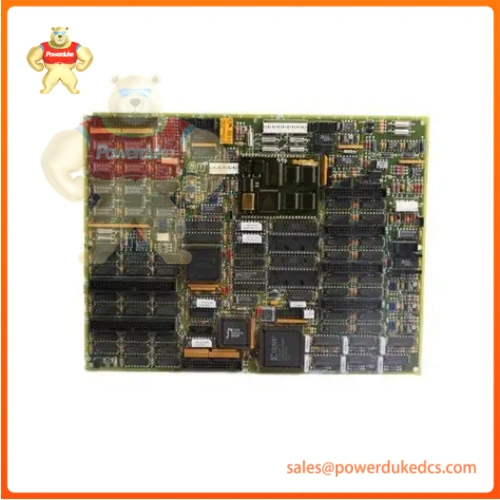
Description
Since you’ve circled back to the DS200TCCAG1BAA (TCCA) Common Analog I/O Board, here is a focused operational and troubleshooting reference tailored for field engineers handling maintenance or replacement.
Core Operational Summary
- Function: Serves as the primary analog signal gathering, conditioning, and conversion hub within the Mark V control core (such as the R5 core rack).
- Processing: Houses an onboard 80196 microprocessor configuration and associated PROMs to translate low-level analog inputs (4–20 mA, thermocouples, RTDs, and shaft voltage/current metrics) into precision digital data for the main control processors.
Key Diagnostic & Troubleshooting Areas
- Channel Dropouts or Intermittent Readings: Often traced back to loose or oxidized multi-pin ribbon cable harnesses (such as JCC, JDD, or JBB) connecting the TCCA board to downstream terminal boards like the TBCA or CTBA.
- Calibration Drift: Because the TCCA board manages high-precision analog-to-digital (A/D) conversions, sudden drift in analog values typically points to aging reference components, power supply ripple from the TCPS board, or thermal stress from restricted cabinet airflow.
- Processor Handshake Faults: If the onboard 80196 microprocessor fails its power-on self-test (POST) or loses communication over the 3PL bus, it will trigger fault flags on the master controller HMI interface.
Safe Field Replacement Checklist
- Lockout/Tagout (LOTO): Verify that all core rack power feeds are completely de-energized before pulling or inserting the board.
- ESD Precautions: Wear a grounded wrist strap and handle the card strictly by its edges or faceplate to protect sensitive CMOS logic and PROMs from electrostatic discharge.
- PROM & Jumper Verification: Always verify that configuration jumpers and onboard PROMs match the exact software constants of your Mark V panel configuration before commissioning a replacement board.






