


Description
 1. Unboxing & Physical Snapshot
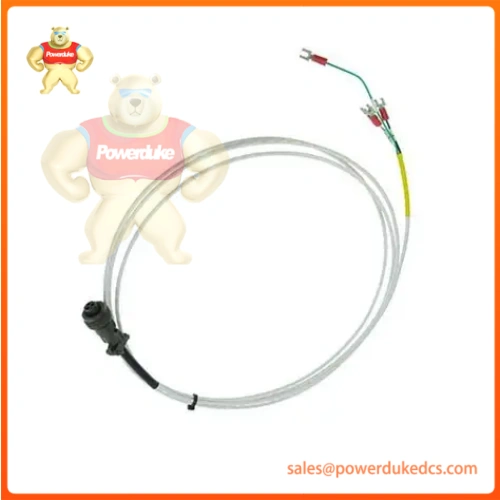 1. Unboxing & Physical Snapshot
- Model & Brand: Bently Nevada (Baker Hughes) 3300 5 mm Proximity Probe System
- Physical Dimensions: Tip diameter 5.4 mm; Case thread 1/4-28 UNF; Overall case length 1.2 inches; Total cable length 1.0 metre
- Estimated Shipping Weight: 0.20 kg (packaged in antistatic tube and rigid export carton)
- What’s in the Box: 1x 3300 5mm proximity probe with ClickLoc miniature coaxial connector, protective dust caps, and factory calibration verification sheet.
2. Product Introduction
Continuous condition monitoring of high-speed turbomachinery requires absolute precision under severe radial vibration and aggressive lubricant exposure. Reliability engineers rely on this specialized 5mm proximity probe configuration to measure dynamic shaft relative vibration and axial position inside cramped bearing housings where standard 8mm transducers cannot fit. (—which is critical for preventing catastrophic journal bearing failures in steam and gas turbines.)
Physical integration involves threading the probe body directly into a radial or axial mounting hole, secured with a locknut and targeted precisely against the rotating steel shaft collar via a designated air gap voltage setting. The tip construction features high-grade polyphenylene sulfide (PPS) enveloping the fine-gauge copper coil, resisting aggressive synthetic turbine oils and continuous high-frequency mechanical stress.
3. Core Technical Specifications
- Linear Operating Range: 1.5 mm (60 mils) linear measuring range
- Incremental Scale Factor (Sensitivity):} 7.87 V/mm (200 mV/mil) nominal output
- Frequency Response: 0 Hz to 10 kHz (-3 dB) flat response capability
- Power Supply Requirement: -17.5 VDC to -26 VDC at 12 mA maximum consumption through Proximitor sensor
- Operating Temperature Range: -51°C to +177°C extreme thermal resilience for probe tip
- Construction Material: Corrosion-resistant AISI 303/304 stainless steel probe case
4. Global Compliance & Industry Certifications
Compliance auditors inspect vibration monitoring hardware meticulously to ensure safety compliance in classified hazardous production areas. This transducer tier holds comprehensive international hazardous location approvals.
- ATEX / IECEx: Certified intrinsically safe for installation in Zone 0, Zone 1, and Zone 2 potentially explosive atmospheres.
- CSA / NRTL/C: North American approvals confirming compliance with explosion-proof and non-incendive ratings for Class I, Div 1/Div 2 areas.
- CE Mark: Fulfills European Electromagnetic Compatibility (EMC) and Low Voltage directives.
Audit Note: The intrinsic safety rating ensures circuit energy levels remain below thresholds capable of igniting surrounding explosive gas or dust mixtures during a fault. Verify specific lot certifications with OEM.
5. Long-Term Storage & Asset Preservation Guide
Precision measurement probes stored in warehouse inventory are sensitive to physical shock and connector contamination over extended periods. Execute these preservation protocols to protect your maintenance stock:
- Connector Protection: Keep the ClickLoc miniature coaxial connector sealed inside its protective dust cap and anti-static pouch to prevent microscopic oil or dust contamination on the center pin.
- Cable Coiling Discipline: Avoid sharp bends or kinks in the coaxial cable; maintain a minimum bend radius of 25mm to protect the internal conductor geometry and preserve signal impedance.
- Environmental Control: Store probes in a climate-controlled warehouse keeping ambient relative humidity below 60% to prevent oxidation on the stainless steel casing threads and connector interfaces.
6. Physical Installation Prerequisites
- Clearance Requirements: Ensure adequate radial clearance around the probe target area on the shaft to avoid side-viewing interference from adjacent structural shoulders or keyways.
- Mounting & Grounding: Torque the probe carefully using calibrated tools to avoid thread stripping, and ensure the signal shield maintains proper continuous grounding back to the Proximitor sensor to eliminate electrical noise pick-up.
7. Buyer’s FAQ (Logistics & Compliance Focus)
- Q: What Harmonized System (HS) Tariff Code governs international shipping of this proximity probe?
- A: This industrial sensor typically clears customs under HS code 9031.80 (Measuring or checking instruments, appliances and machines), subject to local broker review.
- Q: Does importing this vibration asset require explicit Country of Origin (COO) documentation?
- A: Yes. Commercial shipping invoices must state the exact manufacturing origin to comply with preferential trade agreements and avoid border entry holdups.
- Q: Are matching Proximitor sensors and extension cables included with this probe part number?
- A: No. This part number specifies the probe component only; ensure you match it with the correct system components (Proximitor sensor and extension cable) matching the exact system length electrical calibration.
- Q: Is comprehensive transit insurance necessary for global air shipments of these sensors?
- A: Absolutely. Secure full-value door-to-door transit insurance to cover potential handling shocks or loss during expedited international freight transport.
- A: Absolutely. Secure full-value door-to-door transit insurance to cover potential handling shocks or loss during expedited international freight transport.






