Description
 Meta Description
Sourcing the genuine ABB TU831V1 (3BSE013235R0001) Extended Module Termination Unit (MTU). View pinout specs, field analysis, and buffer stock advice.
Product Overview
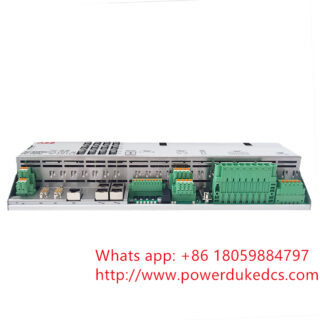
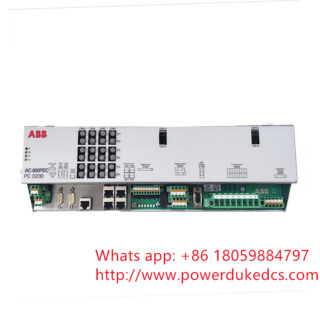
Maintaining maximum I/O loop stability in tight control cabinets requires dense, reliable wiring interfaces. The ABB TU831V1 (3BSE013235R0001) is an Extended Module Termination Unit designed for the S800 I/O system family. This MTU functions as a dual-channel terminal base block, providing structured connections for two 8-channel I/O modules simultaneously while breaking out process wiring to robust screw terminals. We supply this automation hardware as New Original (New Surplus) inside its original factory sealed packaging, backed by a 12-month commercial replacement warranty.
Technical Specifications
- Parameter: Value
- Brand: ABB
- Model Number: TU831V1
- Global Product ID: 3BSE013235R0001
- System Line: S800 I/O / Compact Product Suite
- Device Type: Extended Module Termination Unit (MTU)
- Channel Capacity: 2 x 8 Channels (Configurable up to 16 channels depending on I/O type)
- Wiring Connection: Integrated Screw Terminal Block
- Isolation Rating: 50 V continuous (process-to-process insulation barrier)
- Mounting Style: Standard Horizontal or Vertical DIN Rail (35 mm)
Scenario-Based Field Analysis
Running dense I/O racks in high-vibration municipal pumping stations or heavy marine environments accelerates the mechanical wear on compression terminal springs. In field deployments of S800 I/O networks, we notice that over-tightening field wiring leads to microscopic fractures inside the terminal plastic base moulding. If micro-cracks form, ambient moisture penetrates the backplane bus pins over time, generating intermittent communication dropouts across the entire I/O cluster. When dropping in this replacement unit, verify that the grounding strip on the rear upper slot makes clean metal-to-metal contact with the DIN rail to shield sensitive analog inputs from structural high-frequency noise.
Strengths & Limitations
On the positive side, the dual-slot base architecture saves significant rail real estate by allowing two distinct I/O modules to tap into a single shared ModuleBus connection point. However, mechanical routing constraints are a notable drawback. If you must run heavy 2.5 mm² (14 AWG) shielded field cables, the dense terminal spacing leaves very little room for service loops, making cable management inside compact enclosures a tedious task—though your mileage may vary depending on the panel entry layout.
Stocking & Purchase Advice
- Not recommended for: Greenfield projects requiring modern Ethernet-isolated distributed I/O blocks. For new installations, prioritize the Select I/O or advanced modular families to extend the overall architecture support lifecycle.
- For existing plants: Maintain 1–2 units in your regional on-site buffer stock. Since a cracked baseplate requires lifting all attached field wires, having a clean replacement on hand prevents prolonged operational loops from dragging out outage schedules.
- Vendor management: Circumvent long distributor delivery schedules by securing fixed frame agreements with suppliers maintaining active, physical stock of legacy S800 components.
Quick Conclusions
- Supports two 8-channel S800 modules on a single space-saving base.
- Utilizes a standard integrated screw block for secure termination.
- Shipped as factory sealed new surplus backed by a 1-year product warranty.
- Mounts cleanly on standard 35 mm DIN rails to minimize installation time.
FAQ
- What is the distinction between the TU831V1 and 3BSE013235R0001 codes?The TU831V1 text indicates the physical functional model designation code. The 3BSE013235R0001 number is the exact global material ID required for material procurement and enterprise asset tracking.
- Can I mix an analog input and a digital output module on the same TU831V1 base?Yes, provided the chosen S800 modules are electrically compatible with the base grouping guidelines outlined in the main system manual. Always verify slot assignments in your engineering software prior to powering up the bus.
- Does the unit include the dynamic ModuleBus optical modems?No, the TU831V1 is the passive terminal block assembly; the active ModuleBus cluster modems and communication modules must be sourced separately.