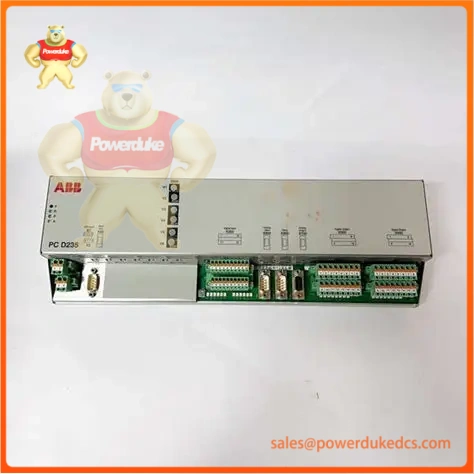
Description
1. Unboxing & Physical Snapshot
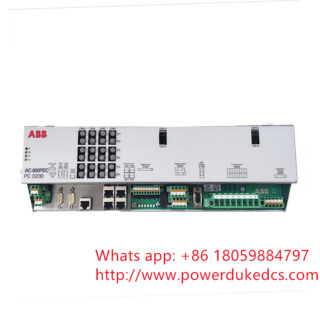
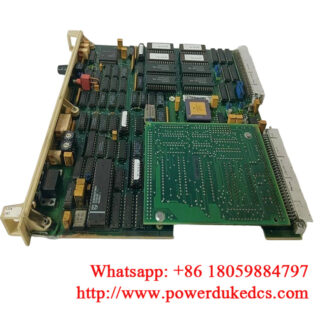
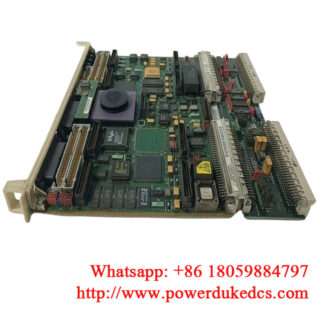
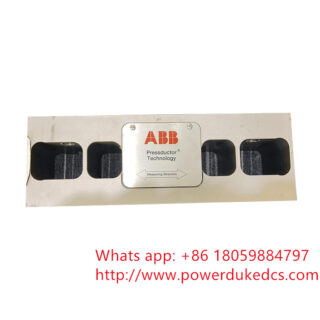
- Model & Brand: ABB — PCD235A101 Excitation Control / Regulator Module, Part Number 3BHE032025R0101.
- Physical Dimensions: Standard industrial rack-mount printed circuit board assembly format (approximately 230 mm x 160 mm x 40 mm).
- Estimated Shipping Weight: 0.85 kg (Including multi-layer anti-static cushioning and heavy-duty shipping carton).
- What’s in the Box: PCD235A101 processor/controller board equipped with status LED indicators, front-edge extraction handles, gold-plated backplane interface connectors, factory conformance tag, and electrostatic safety warnings.
2. Product Introduction
Engineered specifically for power generation environments, this controller manages generator excitation currents to safeguard grid voltage stability and damp out reactive power oscillations.
Deployed inside heavy industrial turbine-generator control cabinets, the module processes complex feedback loops from potential and current transformers. (Plant electrical engineers rely on this specific hardware node to maintain synchronous generator excitation profiles during heavy grid fault recovery sequences.)
3. Core Technical Specifications
- Module Type: Excitation Controller / Regulator Card
- Processor Architecture: High-speed micro-controller based digital signal processing path
- Backplane Interface: Proprietary ABB excitation system bus
- Input Signals: Multi-channel analog transducer inputs and synchronization voltage references
- Output Signals: Gate control / firing pulses for power bridge thyristors
- Diagnostic Indicators: Front-panel multi-status LED array for heartbeat, fault, and communication tracking
- Operating Temperature Range: 0°C to +55°C (32°F to +131°F)
- Mounting Style: Dedicated slot insertion within an ABB excitation control rack
4. Global Compliance & Industry Certifications
Auditors and safety officers managing balance-of-plant electrical assets demand rigorous regulatory compliance for excitation hardware.
- Expected Certifications: CE Mark for European compliance, RoHS directive alignment, and compatibility with international electrical safety standards for power utility infrastructure.
- Safety Relevance: Proper galvanic isolation on signal paths prevents high-voltage transients from migrating backward into low-voltage cabinet control wiring, protecting plant operators and downstream logic assets.
- Audit Directive: Verify specific lot certifications with OEM. Manufacturing date codes and hardware revision identifiers must align with regional grid code mandates and station safety logs.
5. Long-Term Storage & Asset Preservation Guide
Complex microelectronic controller boards kept in reserve stock suffer from environmental degradation if warehouse storage parameters are ignored.
- ESD Preservation: Keep the printed circuit board inside its original factory metallized shielding bag until the exact moment of physical installation to protect onboard static-sensitive integrated circuits.
- Humidity Control: Store the spare unit in a climate-controlled room where relative humidity remains strictly below 60% non-condensing to prevent micro-corrosion on gold edge fingers.
- Capacitor Lifecycle Strategy: If stored for longer than two years, power the module up periodically on a controlled test bench to reform internal electrolytic capacitor dielectrics and prevent high-ripple failure upon field deployment.
6. Physical Installation Prerequisites
Precise mechanical handling and clear thermal management prevent premature hardware failure during commissioning.
- Thermal Clearances: Ensure continuous vertical airflow through the control cubicle, leaving unobstructed space above and below the rack chassis to prevent localized hotspots.
- Static Mitigation: Technicians must wear a grounded electrostatic discharge (ESD) wrist strap and tie into the cabinet earth stud before touching the module faceplate.
- Connector Seating: Guide the board evenly along the slot rails, applying steady, even pressure until the rear multi-pin connectors lock securely into the backplane receiver.
7. Buyer’s FAQ (Logistics & Compliance Focus)
Q: What Harmonized System (HS) Tariff Code applies to global shipments of this controller module?
A: Industrial electronic control cards typically clear under HS Code 8538.90 (Parts suitable for use solely or principally with the control apparatus of heading 8537). Always verify exact classifications with your customs broker.
Q: Does importing this spare part require Country of Origin (COO) documentation?
A: Yes. Securing an authentic Certificate of Origin from your supplier ensures proper application of trade treaties and speeds up customs clearance at destination ports.
Q: Are these replacement modules supplied with pre-loaded configuration firmware?
A: Units generally ship with factory baseline system firmware. Engineering teams must upload site-specific parameter files matching the plant’s exact excitation tuning profile via the system software suite before placing the unit online.