Description
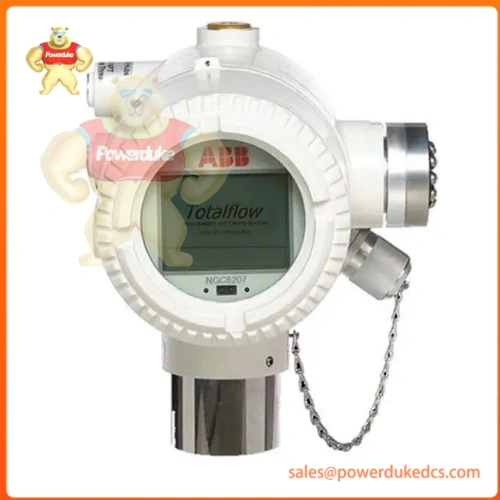
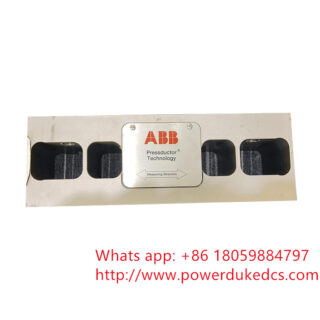
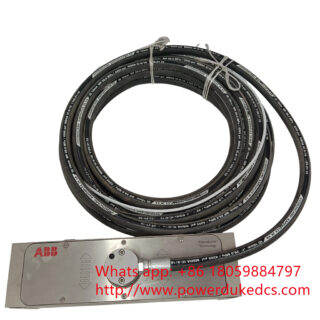
- Model & Brand: ABB / Safety & Environmental Monitoring Systems (Catalog No. 769111B / Gas Chamber Detector Module)
- Physical Dimensions: Compact, robust industrial enclosure profile designed for dedicated wall mounting or pipeline sensing integration in hazardous or monitored areas
- Estimated Shipping Weight: 1.05 kg (Packaged in multi-layer anti-static ESD shielding, moisture-barrier bagging, and structural foam crating)
- What’s in the Box: 769111B gas detector unit, mounting bracket hardware, terminal connection plugs, equipment identification tag, and factory calibration/inspection report.
Critical oil and gas refineries, chemical processing plants, municipal utility stations, and industrial manufacturing environments require continuous environmental monitoring and gas leakage detection to ensure personnel safety and plant compliance. System engineers and safety technicians integrate the ABB 769111B Gas Chamber Detector directly into hazardous zones or ventilation paths to monitor combustible or toxic gas concentrations in real time (—which is vital for triggering immediate localized alarms, activating emergency ventilation or shutoff valves, and preventing catastrophic industrial incidents across demanding workcells).
Instrumentation and electrical technicians must enforce strict lockout/tagout (LOTO) procedures and verify hazardous area classification ratings before installing, servicing, or wiring gas detection components.
| Parameter | Value |
| System Platform | ABB Industrial Safety & Gas Monitoring Architecture |
| Module Type | Gas Chamber Detector / Environmental Sensing Module |
| Core Function | Continuous real-time detection of combustible or toxic gases with automated alarm outputs |
| Detection Principle | Catalytic combustion (combustible gases) / electrochemical or semiconductor (toxic gases) |
| Output Signals | 4-20 mA DC analog loop, RS485 (Modbus-RTU), and dual relay alarm outputs |
| Operating Power Supply | 24 VDC nominal (±15%) |
| Mounting Type | Wall-mount or pipeline installation configuration |
| Operating Temperature Range | -40°C to +70°C (-40°F to +158°F) standard industrial window |
| Environmental Protection | IP67 dust-tight and waterproof enclosure rating |
Auditors inspecting industrial safety interlock systems, chemical plant perimeters, and energy infrastructure require rigorous documentation verifying explosion-proof integrity, sensor calibration records, and regulatory compliance.
- CE Mark: Confirms conformity with European Union directives covering electromagnetic compatibility (EMC) and low-voltage/explosion safety standards.
- Industrial Standards: Complies with international specifications for hazardous location gas detection equipment and industrial safety sensors.
- RoHS Compliance: Restricts hazardous chemical substances in electronic and sensor manufacturing.
Compliance Note: Compliance with rigorous industrial safety regulations ensures that gas detector housings maintain flameproof/explosion-proof containment barriers and stable sensor response under severe environmental shifts. Verify specific area classification drawings prior to facility audits.
Dormant gas sensors and electronic safety modules stored in warehouse stockroom bins face sensor element poisoning, terminal oxidation, and filter membrane degradation if environmental parameters escape strict control limits.
Keep the module sealed tightly inside its original anti-static moisture-barrier packaging to safeguard sensitive sensing elements, internal circuitry, and optical/catalytic chambers from airborne dust, silicone vapors, and humidity. Maintain warehouse storage temperatures between -20°C and +50°C with relative humidity kept strictly below 80% non-condensing. Ensure the unit remains protected from heavy physical drop forces that could crack the cast aluminum housing or damage internal micro-sensors.
Correct mounting orientation, secure wiring terminal torque, and safety interlock verification dictate physical installation success. Ensure all local power and control feeds are completely locked out (LOTO) and verified dead before handling wiring connections. Mount the 769111B unit securely to its designated surface (ensuring proper height positioning relative to target gas density), torque all cable gland and terminal screws to manufacturer specifications, and execute a standard zero/span calibration check using certified test gas prior to system commissioning.
- What is the correct HS Tariff Code for international customs clearance?Electrical apparatus for gas analysis, electrical instruments for physical or chemical analysis, and industrial safety sensor parts classify under harmonized code 9027.10 or 8538.90, though exact regional rulings should be verified with your broker.
- Does this gas detector module require software configuration after replacement?Yes, communication parameters (such as Modbus node IDs), alarm thresholds, and span calibration profiles must be verified or configured through the control system or local interface following replacement.
- How does the Country of Origin (COO) impact global trade compliance?The verified COO dictates trade agreement qualification and must match commercial shipping paperwork to eliminate border customs clearance delays.
- Why is comprehensive transit insurance mandatory for this component?Precision electrochemical/catalytic sensing elements, heavy cast metal enclosures, and internal circuit boards can suffer structural housing fractures or calibration offset under severe drop impacts during freight transit.