

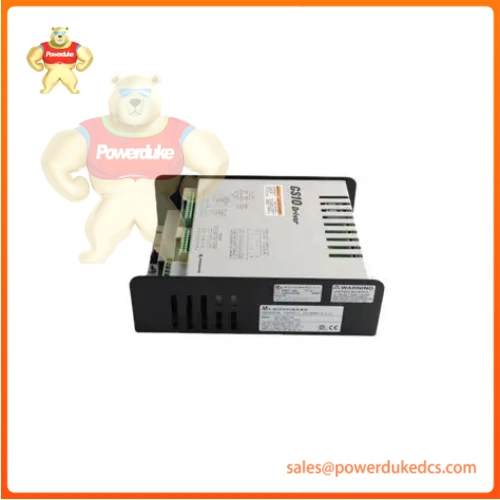
Description
 1. Unboxing & Physical Snapshot
- Model & Brand: Woodward — 9907-186 (GS10 Series Load Sharing Module)
- Physical Dimensions: Compact industrial housing measuring approximately 273.6 mm long x 214.1 mm wide x 59.2 mm high (10.77 in x 8.43 in x 2.33 in).
- Estimated Shipping Weight: Approximately 1.4 kg (3.1 lbs) packed inside heavy-duty anti-static shielding, custom-molded industrial foam, and reinforced structural corrugated cartons.
- What’s in the Box: Woodward 9907-186 load sharing module unit, factory inspection data card, terminal connector blocks, and compliance/safety instruction insert (note: auxiliary wiring harnesses and external potentiometers are ordered separately).
2. Product Introduction
Achieving stable, precise active power load sharing and frequency control across parallel-running industrial engine generator sets requires robust electronic management hardware. Operating as an essential component within Woodward’s proven GS10 control architecture, the 9907-186 load sharing module coordinates multiple generating units to ensure balanced load distribution under varying plant demands (—preventing cross-subsidization and circulating reactive currents).
Engineered with flexible analog and PWM input configurations, ruggedized internal circuitry, and comprehensive transient suppression, the unit maintains high stability under severe mechanical vibration and wide temperature swings. Power generation engineers, switchgear builders, and plant technicians rely on this exact hardware configuration to secure reliable islanded or utility-parallel power generation performance.
3. Core Technical Specifications
| Parameter | Value |
| Product Series | Woodward GS10 Power Generation Control Platform |
| Model / Part Number | 9907-186 (GS10 Load Sharing Module) |
| Analog Inputs | Configurable for +0.5 Vdc to +4.5 Vdc or \pm3 Vdc versions |
| PWM Inputs | Compatible with standard Caterpillar or GenDec PWM signal architectures |
| Signal Outputs | Dynamic load signal output; speed control adjustment interface |
| Operating Temperature | -40^\circC to +70^\circC (-40^\circF to +158^\circF) |
| Storage Temperature | -40^\circC to +85^\circC (-40^\circF to +185^\circF) |
| Vibration / Shock | Swept sine tested to 4 G (5–2000 Hz); 40 G, 11 ms sawtooth shock pulse |
| Enclosure Rating | IP43 (Indoor use protection required per EU Low Voltage Directive) |
4. Global Compliance & Industry Certifications
Regulatory safety mandates and electrical grid standards require verifiable compliance documentation for all power control modules embedded in generator switchgear packages.
- Certifications: CE Conformity, cULus Listed Industrial Control Equipment (UL 508), EN 50178, and EN 61010-1 electrical safety standards.
- Safety Relevance: The Overvoltage Category III classification and robust galvanic isolation barriers protect internal logic loops from high-voltage switching surges and plant distribution transients.
- Audit Note: Maintain calibration records, input signal configurations, and switchgear test sheets accessible to satisfy regional grid interconnection requirements and insurance risk audits.
5. Long-Term Storage & Asset Preservation Guide
Spare load sharing modules stored in warehouse stockrooms face electronic component aging and static discharge risks over extended storage cycles (—requiring careful climate management to protect capital inventory). Preserve your asset by executing these procedures:
- Maintain indoor warehouse climates where storage temperatures stay between -20^\circC and +55^\circC while keeping relative humidity strictly below 85% non-condensing.
- Keep the module permanently sealed inside its original factory anti-static moisture-barrier bag alongside active desiccant packs until the exact switchgear installation window.
- Avoid heavy stacking or mechanical impacts on boxed units to prevent stress on terminal headers and internal circuit boards.
6. Physical Installation Prerequisites
Proper cabinet grounding, thermal clearance, and secure wire termination are mandatory when mounting generator control modules.
- Clearance Space: Ensure clear horizontal and vertical spacing around the module housing to allow effective natural convection cooling across the internal circuitry.
- Grounding Requirements: Secure a low-impedance copper ground braid from the module’s dedicated ground terminal directly to the enclosure backplane ground bus.
- Power Isolation: De-energize control power feeds and isolate engine fuel actuators before connecting or disconnecting terminal blocks to prevent erratic actuator movement.
7. Buyer’s FAQ (Logistics & Compliance Focus)
Q: What Harmonized System (HS) Tariff Code applies to this Woodward module for international shipments?
A: Industrial automatic regulators, generator controllers, and electrical control apparatus typically classify under HS code 9032.89.6030 (Automatic regulators: Other). Always verify final classifications with your customs broker.
Q: What primary control functions does the 9907-186 execute in a generator system?
A: It provides isochronous and droop load sharing, accepting analog or PWM feedback signals to modulate engine speed controllers for balanced load distribution across parallel generators.
Q: What is the Country of Origin (COO) for trade compliance record-keeping?
A: Woodward industrial controls are manufactured in designated United States production facilities, requiring accurate origin declarations on commercial import and export paperwork.
Q: Is specialized shock-resistant transit insurance required for international cargo delivery?
A: Yes, because precision electronic components and multi-layer terminal connections are sensitive to severe drop impacts and transport vibration, full-value freight insurance is strongly recommended.






