

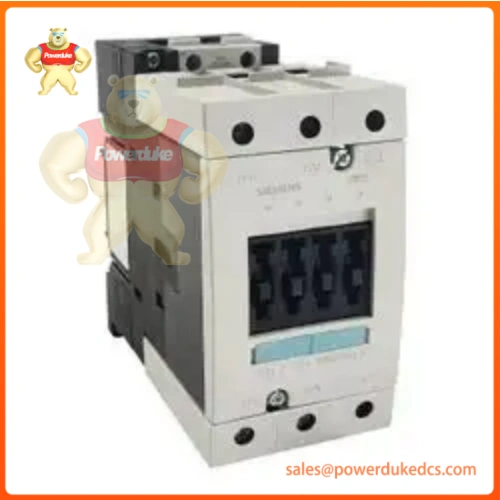
Description
 1. Unboxing & Physical Snapshot
- Model & Brand: Siemens Moore (APACS+ Series) — Part Number 16137-118
- Physical Dimensions: Length: 3 meters (10 ft) nominal span; bundle diameter approx. 15mm to 20mm depending on multi-conductor grouping and heavy-duty outer PVC jacketing.
- Estimated Shipping Weight: 1.2 kg (2.65 lbs) — critical metric for air freight cost calculations and cabinet load distribution.
- What’s in the Box: 1x 3-meter unterminated interconnect I/O cable assembly, factory moisture barrier bag, desiccant packet, and standard manufacturer compliance tag. (Note: Field-side termination blocks or connectors must be sourced separately depending on the targeted module interface).
2. Product Introduction
The physical architecture of a distributed control loop relies heavily on robust signal pathways that bridge the gap between high-density input/output modules and marshalled termination panels. Deployed across legacy process islands, this specific cable harness links controller racks while withstanding the relentless thermal cycles and low-frequency structural vibrations typical of heavy industrial plant floors.
Integrity maintenance inside congested control cabinets requires components that integrate seamlessly without introducing electromagnetic interference or signal attenuation. This hardware acts as a vital nervous strand within the broader APACS+ cabinet ecosystem, routing multi-channel analog and discrete signals cleanly from backplane interfaces to field termination assemblies (—which is critical for preventing loop-level noise corruption in continuous chemical processing).
3. Core Technical Specifications
- Parameter: Cable Type — Value: Unterminated Interconnect I/O Cable Assembly
- Parameter: Standard Length — Value: 3 meters (10 ft)
- Parameter: Conductor Isolation — Value: Designed for channel-to-channel and channel-to-ground isolated signal paths
- Parameter: Voltage Rating — Value: 300V / Industrial low-voltage signal distribution
- Parameter: Temperature Range (Operating) — Value: 0°C to 60°C (32°F to 140°F)
- Parameter: Temperature Range (Storage) — Value: -40°C to 85°C (-40°F to 185°F)
- Parameter: Outer Jacket Material — Value: Flame-retardant industrial PVC (Black)
- Parameter: Compatibility — Value: Siemens Moore APACS+ and Quadlog I/O subsystems
4. Global Compliance & Industry Certifications
Regulatory auditors require strict paper trails verifying that every component installed inside an active control cabinet meets recognized safety parameters. While passive cabling components like the 16137-118 are often exempt from active electronic CE marking directives on their own, they are fully certified under system-level compliance frameworks including UL/cUL general industrial control standards and hazardous location guidelines.
- Expected Compliance Tier: UL Recognized Component, RoHS compliant material composition, and CE directive alignment for low-voltage assembly integration.
- Audit Significance: Utilizing certified cabling ensures that the installation maintains its Class I Div 2 rating, meaning the assembly materials will not degrade or release volatile compounds that could ignite surrounding process gases. Verify specific lot certifications with OEM.
5. Long-Term Storage & Asset Preservation Guide
Spare cables and interface harnesses sit on warehouse shelves for years, making them vulnerable to environmental degradation if storage protocols are ignored. Protect this asset using warehouse veteran guidelines:
- Keep the cable sealed inside its original anti-static, moisture-barrier shielding bag with the factory desiccant intact to prevent plasticizer migration and jacket hardening.
- Maintain ambient warehouse storage humidity strictly below 60% relative humidity to avoid oxidation on any exposed copper strands or connector pins.
- Coil the cable loosely following its natural manufacturing radius—never hang it tightly over narrow hooks or sharp brackets, as permanent mechanical stress will deform the internal conductor twisted pairs over extended storage periods.
6. Physical Installation Prerequisites
- Maintain a minimum clearance of 50mm around cable routing troughs and vertical wire management channels to ensure adequate convective air movement inside the cabinet.
- Secure the cable harness using appropriate strain-relief brackets to prevent dead-weight pulling forces from transferring directly to the backplane pins or terminal strips.
- Ensure proper physical segregation by routing this signal cable away from high-voltage AC power feeds and variable frequency drive (VFD) output cables to minimize electromagnetic coupling.
7. Buyer’s FAQ (Logistics & Compliance Focus)
- What is the correct Harmonized System (HS) Tariff Code for global shipping?
The standard international export classification for insulated electrical cables and industrial control wiring harnesses generally falls under HS Code 8544.42 (Other electric conductors, for a voltage not exceeding 1000 V, fitted with connectors / industrial use).
- How does the Country of Origin (COO) impact international customs clearance?
The COO dictates regional preference claims under trade agreements like USMCA or EU rules of origin; always request a signed certificate of origin from your supplier to avoid unexpected anti-dumping duties or import delays during audits.
- Is specialized transit insurance recommended for this asset?
Yes. Given the obsolescence lifecycle stage of legacy APACS+ spare parts, marine and freight transit insurance should be written for full replacement value rather than depreciated book value to ensure operational continuity in case of loss.
- Does an unterminated cable assembly require firmware pre-loading?
No. As a passive physical interconnect and signal path harness, it contains no programmable logic, microprocessors, or memory firmware.






