

Description
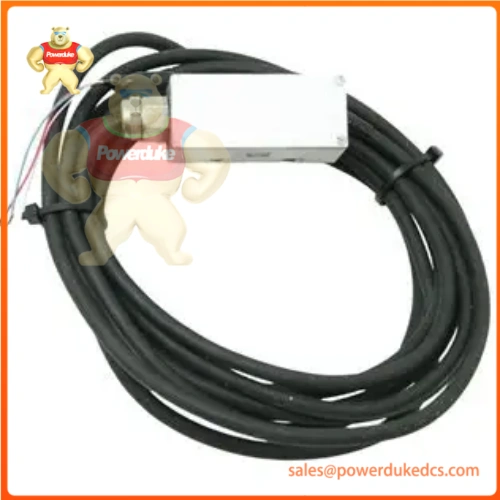
- Model & Brand: Siemens 6FX2001-6AA12-2AA5 (SIMAG H2 Magnetic Encoder Sensor Head)
- Physical Dimensions: 85 mm x 50 mm x 35 mm (Approximate W x H x D sensor head envelope)
- Estimated Shipping Weight: 0.8 kg (Packaged in multi-layer anti-static cushioning and carton)
- What’s in the Box: SIMAG H2 magnetic sensor head assembly, shielded signal cable pigtail, mounting hardware kit, and factory calibration test sheet.
Heavy industrial machine tool spindles and high-speed gearboxes expose feedback systems to aggressive cutting fluids and intense mechanical vibration. Protecting closed-loop speed regulation requires non-contact magnetic sensing heads engineered to operate reliably across magnetized scale rings without optical disc contamination (—which is critical for heavy lathe spindles and milling heads).
Technicians mount this sensor head precisely over the magnetic wheel track, maintaining exact air-gap clearances to ensure clean signal pickup. Route the shielded signal pigtail through dedicated low-voltage conduits, terminating the outer braid tightly to the cabinet ground bar to block high-frequency electromagnetic interference.
- Sensor Technology: Magnetic incremental scale detection (SIMAG H2 series)
- Power Supply Voltage: 5 VDC (±5%) or 10 to 30 VDC depending on line driver variant
- Current Consumption: 150 mA typical without load
- Output Signals: TTL / RS422 differential quadrature pulses with reference mark
- Maximum Frequency Response: Up to 100 kHz operational ceiling
- Air Gap Tolerance: 0.1 mm to 0.4 mm nominal reading distance
- Operating Temperature Range: -20°C to +85°C ambient housing limits
- Ingress Protection: IP67 sensor head housing rating
Auditors require verifiable documentation confirming electrical safety and immunity compliance for feedback devices operating inside industrial drive enclosures. This sensor complies with established international benchmarks.
- CE Mark: Confirms compliance with European Union electromagnetic compatibility (EMC) and low-voltage directives.
- UL / cUL Recognized: Validates component safety for industrial control applications across North America.
- ATEX / IECEx: Permits safe deployment in hazardous Class I Division 2 areas when integrated into certified drive loops.
- RoHS Compliance: Restricts hazardous chemical substances in electronic component manufacturing.
Compliance Note: A UL component recognition rating ensures internal signal isolation circuitry prevents electrical fault propagation during high-voltage surges. Verify specific lot conformity directly with Siemens prior to plant safety audits.
Dormant electronic sensor heads sitting on warehouse shelves face internal semiconductor degradation and cable insulation stiffening if environmental controls fail. Maintenance managers must enforce strict preservation protocols.
Keep the sensor head sealed tightly inside its original anti-static (ESD) moisture-barrier bag to safeguard sensitive magneto-resistive elements from static discharge. Maintain warehouse storage temperatures between 10°C and 30°C with relative humidity kept strictly below 60% to prevent micro-corrosion on the connector pins. Inspect the flexible pigtail cable periodically to ensure the outer jacket remains pliable and free from cracking during long storage durations.
Air-gap alignment and mechanical stability dictate measurement accuracy for magnetic scale feedback systems. Secure the sensor housing firmly to a rigid, vibration-damped machine bracket using high-strength fasteners torqued to factory specifications. Verify that the gap between the sensor face and the magnetic scale ring matches the specified tolerance window precisely before initializing spindle rotation.
- What is the correct HS Tariff Code for customs processing?Industrial rotary and linear position sensors classify under harmonized code 9031.80.5250, though verify exact regional rulings with your broker.
- Does this replacement sensor head require factory configuration firmware?Hardware assembly 6FX2001-6AA12-2AA5 functions as a direct analog/digital signal generation component requiring no user-loadable application software.
- How does the Country of Origin (COO) impact global trade compliance?The verified COO dictates trade agreement qualification and must match commercial shipping paperwork to eliminate border customs clearance delays.
- Why is comprehensive transit insurance mandatory for this component?Precision magneto-resistive arrays and delicate internal micro-circuitry can suffer performance drift or physical damage under heavy drop impacts during express freight transport.






