

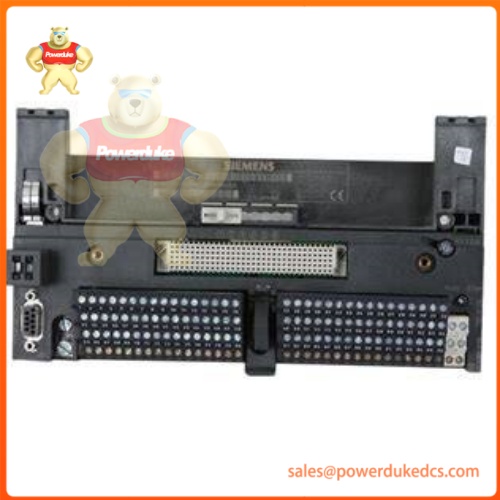
Description
1. Unboxing & Physical Snapshot (Dynamic List)
- Model & Brand: Siemens 6ES7193-0CB20-0XA0 (SIMATIC ET 200 Distributed I/O Terminal Module)
- Physical Dimensions: Approximately 115mm x 35mm x 45mm (W x H x D)
- Estimated Shipping Weight: 0.2 kg (boxed with static-dissipative protective packaging)
- What’s in the Box: 1x 6ES7193-0CB20-0XA0 terminal module unit sealed inside factory protective packaging, integrated terminal connection slots, labeling strips, and OEM compliance documentation.
2. Product Introduction (Structure C: Compliance Hook)
Regulatory compliance governs every decision inside high-consequence process environments, requiring hardware certified to strict international safety thresholds. Operating distributed I/O architectures demands components carrying transparent documentation and traceable manufacturing histories to pass independent safety audits.
The Siemens 6ES7193-0CB20-0XA0 satisfies these rigorous verification protocols through precise electrical isolation boundaries and documented thermal limits. (We always inspect the physical laser-etched serial codes against the accompanying Certificate of Conformance during incoming receiving inspections.)
3. Core Technical Specifications
| Parameter | Value |
| System Compatibility | SIMATIC ET 200 distributed I/O automation environments |
| Module Type | Terminal module / Terminal block for electronic modules |
| Backplane Bus Connection | Integrated self-assembling backplane bus interface |
| Terminal Type | Screw-type or spring-load terminal connections (model dependent) |
| Operating Temperature | 0°C to +60°C (natural convection cooling) |
| Storage Temperature | -40°C to +70°C |
| Enclosure Protection | IP20 rating per IEC 60529 |
| Mounting Standard | 35mm DIN rail mounting per DIN EN 60715 |
4. Global Compliance & Industry Certifications
Auditors demand verifiable documentation confirming that legacy and current system components comply with rigorous electrical safety mandates before plants resume operation.
- Expected Certifications: CE Mark, UL/cUL Listed (Industrial Control Equipment), CSA certification, and VDE conformity.
- Compliance Significance: UL listings verify that internal electrical spacing and insulating materials prevent dielectric breakdown under surge conditions. (Class I Div 2 ratings ensure zero risk of spark ignition within classified hazardous plant sectors.) Verify specific lot certifications with OEM documentation before closing out compliance audits.
5. Long-Term Storage & Asset Preservation Guide
Warehouse storage destroys unprotected electronics if humidity and environmental hazards go unmanaged. Keep this asset safe:
- Store the terminal module sealed tightly inside its original protective packaging to block atmospheric moisture and dust accumulation.
- Maintain warehouse relative humidity strictly below 60% to prevent oxidation on the terminal screw blocks and internal spring contacts.
- Lay the unit flat on static-dissipative foam pads to absorb structural building vibrations and prevent physical stress on the molded polymer frame.
6. Physical Installation Prerequisites
Proper mechanical placement guarantees longevity and prevents localized stress concentrations inside the cabinet enclosure.
- Convection Clearance: Leave at least 30mm of open space above and below the terminal block assembly to permit proper vertical airflow across adjacent I/O modules.
- Wiring Protocol: Torque all terminal screws to manufacturer specifications using calibrated hand tools to prevent intermittent connection failures under high-vibration conditions.
7. Buyer’s FAQ (Logistics & Compliance Focus)
Q: Which Harmonized System (HS) code applies to international customs clearance for the 6ES7193-0CB20-0XA0?
A: This terminal module typically clears under HS code 8538.90, but importers should confirm final classification with their broker according to local destination rulings.
Q: Does this surplus unit come with labeling strips and accessories included?
A: New surplus hardware ships complete with original factory-provided labeling elements as specified by the OEM pack; check your installation layout requirements prior to deployment.
Q: How does the declared Country of Origin (COO) influence international shipping paperwork?
A: The COO—typically Germany for this manufacturing run—dictates preferential duty rates under international trade agreements, making a verified certificate of origin essential.






