

Description
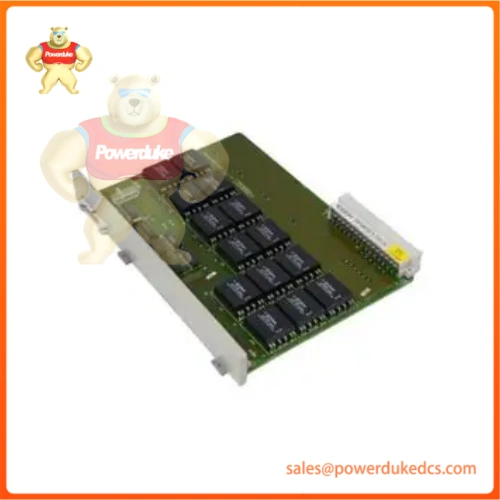
1. Unboxing & Physical Snapshot (Dynamic List)
-
Model & Brand: Siemens 6DS1703-8AB (Teleperm Communication/Interface Module)
-
Physical Dimensions: Approximately 170mm x 140mm x 45mm (W x H x D)
-
Estimated Shipping Weight: 1.1 kg (packaged with static-dissipative foam cushioning)
-
What’s in the Box: 1x 6DS1703-8AB module in factory-sealed metal-out ESD bag, pluggable interface terminal blocks, gold-plated bus connector pins, and original manufacturer compliance documentation.
2. Product Introduction (Structure B: Architecture Hook)
Mounting directly into the high-density subrack chassis, this interface module manages data exchange between local field nodes and supervisory control layers. The card slides smoothly along molded guide rails before engaging the rear backplane pins, locking securely via mechanical lever arms that withstand continuous facility vibration.
Engineered to handle rapid data streams without introducing bus latency, its internal transceiver circuitry separates communication traffic from raw power distribution. (We always advise inspecting the backplane DIN connector pins for alignment prior to seating the card to prevent bent pins.)
3. Core Technical Specifications
| Parameter | Value |
| Backplane Power Draw | Max 1.4 A at 5V DC |
| Power Dissipation | 7.1 W under operating load |
| Communication Protocol | Proprietary Teleperm bus interface |
| Isolation Voltage | 500V AC optical/galvanic bus isolation |
| Operating Temperature | 0°C to +55°C (natural convection cooling) |
| Storage Temperature | -40°C to +70°C |
| Diagnostic Indicators | Front-panel communication status LEDs |
| Terminal Interface | Pluggable screw-type terminal blocks |
| Mounting Standard | Subrack backplane slot with locking levers |
4. Global Compliance & Industry Certifications
Regulatory auditors require strict proof of hardware compliance to clear continuous process control systems for operation.
-
Expected Certifications: CE Mark, UL/cUL Listed (Industrial Control Equipment), ATEX Directive (Zone 2 hazardous locations), and EAC conformity.
-
Compliance Significance: The CE Mark validates compliance with the European Electromagnetic Compatibility directive, ensuring that high-frequency switching noise does not corrupt data packets. (UL/cUL listings confirm that internal fire barriers meet strict North American safety mandates.) Verify specific lot certifications with OEM documentation before closing out plant compliance audits.
5. Long-Term Storage & Asset Preservation Guide
Spare parts stored on warehouse shelves face silent degradation if environmental controls fail. Keep this asset safe:
-
Keep the module sealed tightly inside its original metal-out anti-static (ESD) shielding bag to block atmospheric moisture and electrostatic discharge.
-
Maintain warehouse relative humidity strictly below 60% to prevent oxidation on the gold-plated edge fingers and printed circuit traces.
-
Lay the unit flat on static-dissipative foam pads to absorb structural building vibrations and prevent micro-fractures in the printed circuit board.
6. Physical Installation Prerequisites
Proper mechanical placement guarantees longevity and prevents localized overheating inside the cabinet enclosure.
-
Convection Clearance: Leave at least 40mm of open space above and below the card chassis to permit proper vertical airflow.
-
Grounding Protocol: Engage the subrack grounding clips securely to the metallic backplane rail using external tooth star washers to suppress electrical noise.
7. Buyer’s FAQ (Logistics & Compliance Focus)
Q: Which Harmonized System (HS) code applies to international customs clearance for the 6DS1703-8AB?
A: This communication interface card typically clears under HS code 8538.90, but importers should confirm final classification with their broker according to local destination rulings.
Q: Does this surplus unit come with the latest factory firmware pre-installed?
A: New surplus hardware ships with the revision level stamped on the original box label; check your project engineering database to verify compatibility.
Q: How does the declared Country of Origin (COO) influence international shipping paperwork?
A: The COO—typically Germany for this manufacturing run—dictates preferential duty rates under international trade agreements, making a verified certificate of origin essential.






