

Description
 1. Unboxing & Physical Snapshot
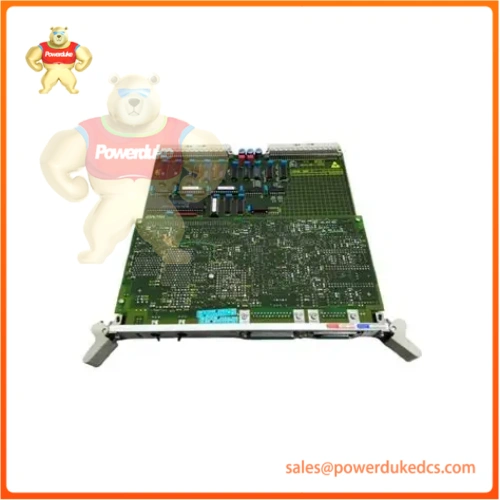
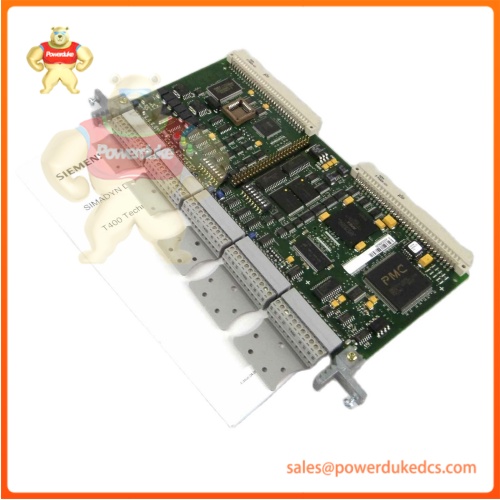
- Model & Brand: 6DD2920‑0AB0, Siemens SIMADYN‑D SB60 signal terminal daughter‑board (discontinued plug‑in I/O sub‑board for T400 / PM processor boards)
- Physical Dimensions (Approximate W × H × D): 100 mm × 160 mm × 15 mm, compact daughter‑card form‑factor for front‑mount on Eurocard mainboards
- Estimated Shipping Weight: 0.42 lb (0.19 kg net module weight; includes SB60 sub‑board assembly, OEM printed installation datasheet, static‑shield bag, foam‑reinforced carton)
- What’s in the Box: Complete SB60 terminal daughter‑board, integrated screw terminal block, mating board‑to‑board connector; host T400 technology or PM‑CPU mainboard sold separately (confirm mainboard mechanical and firmware compatibility prior to procurement to avoid commissioning delays for steel mills, winders and high‑performance converting drive systems)
2. Product Introduction (Structure B – Architecture hook)
This 6DD2920‑0AB0 SB60 terminal expansion daughter‑board mounts onto the front side of SIMADYN‑D T400 technology or PM‑series CPU boards, providing field‑wirable screw terminals for analog set‑points, feedback signals and digital status I/O. Secure board‑to‑board connector contacts guarantee reliable signal transmission between main controller and field devices; poor seating or corroded terminals produce drifting analog measurements, sporadic digital signal loss and unexplained drive faults that mimic transducer or field‑wiring failures within critical motion‑control production strategies.
Reliability teams must validate full part‑number and hardware revision prior to spare rotation. Other SIMADYN‑D daughter‑board variants exist with different I/O channel configurations and terminal assignments. A mechanically‑compatible mismatched sub‑board fits the host header but provides incorrect signal mapping, preventing proper interaction with existing D7‑SYS / CFC application logic (a well‑documented outage risk within metal‑processing and continuous‑process drive facilities). No software parameter adjustment can compensate for hardware I/O layout mismatch.
3. Core Technical Specifications
| Parameter | Value |
|---|---|
| Module Type | SB60 plug‑in I/O terminal daughter‑board |
| Interface | Board‑to‑board header to T400 / PM‑family mainboard |
| Termination | Screw terminal block for field wiring |
| Signal Types | Analog input / output, binary digital input / output signal routing |
| Isolation | Basic functional isolation between field terminals and controller electronics |
| Mounting | Front‑side plug‑on to SIMADYN‑D Eurocard mainboards |
| Operating Ambient Temperature | 0 °C to +60 °C (cabinet ambient air) |
| Storage Temperature Range | −40 °C to +85 °C, non‑condensing |
| Form Factor | Daughter‑card assembly; IP00 (cabinet‑rack‑mount‑only installation) |
| Conformal Coating | Standard non‑coated OEM construction |
4. Global Compliance & Industry Certifications
- CE Mark aligned with EMC and low‑voltage equipment directives
- UL/cUL Listed for industrial drive‑system signal‑interface hardware
- CSA certification for North American cabinet deployments
- ATEX / IECEx Zone 2 qualification for eligible production lots
UL listing validates surge withstand and functional‑isolation performance for electrically noisy drive cubicle environments. Verify specific‑lot certifications against OEM hardware documentation.
5. Long‑Term Storage & Asset Preservation Guide
Store this SB60 daughter‑board sealed within its original ESD‑shield bag in warehouse inventory. Only open static bag at a properly‑grounded ESD workstation. Unprotected hand contact leaves ionic residues accelerating PCB trace, header‑pin and screw‑terminal corrosion.
Maintain storage‑vault relative humidity below 60 %, non‑condensing. Elevated humidity degrades gold‑plated header contacts. Corroded contacts create intermittent signal faults that can pass static power‑on self‑tests.
This assembly contains no user‑serviceable lithium backup battery. Every 18‑months inspect board‑to‑board header pins and screw terminals for oxidation or mechanical bending; deformed pins cause partial contact and unstable field‑signal behaviour.
6. Physical Installation Prerequisites
Execute lock‑out‑tag‑out procedures; power‑down the complete SIMADYN‑D rack. Remove the host T400 or PM‑CPU Eurocard from rack slot. Align SB60 keyed header with mating connector on front face of mainboard; apply even, firm pressure to achieve full pin engagement. Re‑insert the complete mainboard plus fitted SB60 assembly back into SIMADYN‑D rack slot and close ejector levers firmly.
Torque all field screw‑terminal connections to OEM‑specified torque value; loose terminals are a major source of intermittent drive faults. Maintain minimum 40 mm clearance around Eurocard modules for convection cooling. Restricted airflow raises junction temperatures and may induce signal drift.
Connect cabinet protective‑earth to plant ground bus; never rely exclusively on cable shielding. Route analog and digital field‑wiring physically separated from high‑power motor and thyristor cabling to minimise EMI coupling. After hardware replacement, download full D7‑SYS / CFC project, force‑test each analog and digital I/O channel and cross‑check signal consistency before returning system to live production duty. Hot‑swap daughter‑board installation is not supported.
7. Buyer’s FAQ
Q: What Harmonized System tariff code applies to 6DD2920‑0AB0 for cross‑border shipments?
A: This legacy Siemens SIMADYN‑D I/O daughter‑board maps to HS 85389091 for industrial‑control electronic sub‑assemblies. Customs inspectors commonly require full part‑number plus hardware‑revision documentation. Confirm classification cooperating with your import broker before tendering freight.
Q: How does Country of Origin impact audit acceptance for this end‑of‑life SB60 spare?
A: Plant audit checklists cross‑reference nameplate Country‑of‑Origin markings against site‑approved asset registers. Parallel‑sourced spares carrying mismatched COO markings trigger formal audit observations, even when bench signal‑loop testing appears satisfactory.
Q: Should supplementary shipping insurance be purchased for this obsolete SB60 terminal‑board spare?
A: Yes. Transit shock may bend delicate header pins or produce unseen PCB micro‑cracks. Many internal defects are not visible via superficial visual inspection. Secure full‑value all‑risk coverage; standard carrier cargo terms exclude hidden damage to delicate electronic sub‑board hardware.
Q: Does the delivered 6DD2920‑0AB0 ship pre‑loaded with site‑specific I/O signal‑configuration parameters?
A: Factory‑sealed OEM units are passive signal‑routing hardware without on‑board firmware. All channel assignment, scaling and diagnostics settings reside within the host processor D7‑SYS project and are not stored on this SB60 sub‑board. After replacement, validate every physical I/O channel before placing spare hardware into live heavy‑drive production duty.






