

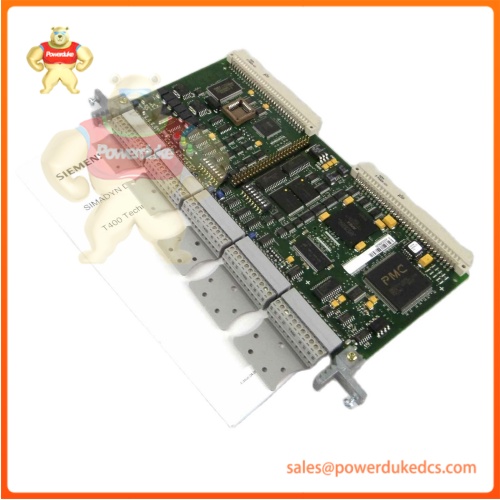
Description
 1. Unboxing & Physical Snapshot
- Model & Brand: 6DD1610‑0AH0, Siemens SIMADYN D MS5 memory sub‑module (fully discontinued, no direct OEM replacement)Industry M…
- Physical Dimensions (Approximate W × H × D): 175 mm × 253 mm × 10 mm (small plug‑in daughter‑board for SIMADYN‑D PM‑series processor boards)Industry M…
- Estimated Shipping Weight: 0.13 lb (net module weight 0.059 kg; includes daughter‑board assembly, static‑shield bag, rigid carton)Industry M…
- What’s in the Box: MS5 memory sub‑module, OEM printed installation datasheet; host SIMADYN‑D PM‑processor mainboard sold separately (verify processor hardware compatibility prior to spare procurement to avoid commissioning delays for paper, metal‑rolling, winder and high‑performance drive systems)
2. Product Introduction (Structure B – Architecture hook)
This 6DD1610‑0AH0 MS5 memory daughter‑board plugs directly onto SIMADYN‑D PM‑family processor boards to deliver non‑volatile program and parameter storage for D7‑SYS / CFC motion‑control application firmware. Secure seated connector contacts guarantee reliable firmware loading and persistent parameter retention; poor seating causes application corruption, failure to boot, and spontaneous drive trips that mimic CPU or backplane faults within critical drive‑based production strategies.
Reliability teams must validate full part‑number and hardware revision prior to spare rotation. Other SIMADYN‑D memory sub‑modules exist with smaller Flash‑EPROM sizes or different EEPROM capacity. A mechanically‑compatible mismatched sub‑module fits the processor socket but lacks sufficient program memory for existing user application logic (a well‑documented outage risk within metal‑processing, converting and heavy‑duty drive facilities). No software parameter adjustment can resolve underlying hardware memory‑size mismatch.
3. Core Technical Specifications
| Parameter | Value |
|---|---|
| Module Type | SIMADYN D MS5 plug‑in memory sub‑module |
| Program Storage | 2 MB Flash‑EPROM (non‑volatile application firmware storage)Industry M… |
| Parameter Storage | 8 KB EEPROM for retentive parameter and online‑change storageIndustry M… |
| Data Width | 32‑bit for SIMADYN‑D PM‑processor platforms |
| Interface | Direct socket‑mount onto SIMADYN‑D PM‑series processor mainboard |
| Supply | Powered entirely via host processor board (no external power) |
| Operating Ambient Temperature | 0 °C to +60 °C (within rack cabinet ambient air) |
| Storage Temperature Range | −40 °C to +85 °C |
| Form Factor | Daughter‑board plug‑in sub‑module; IP00 (cabinet‑rack‑mount‑only) |
| Conformal Coating | Standard non‑coated OEM construction |
4. Global Compliance & Industry Certifications
- CE Mark aligned with EMC and low‑voltage equipment directives
- UL/cUL Listed for industrial drive‑system auxiliary memory hardware
- CSA certification for North American cabinet deployments
- ATEX / IECEx Zone 2 qualification for eligible production lots
UL listing validates electrical transient withstand performance for industrial drive‑control memory circuits. Verify specific‑lot certifications against OEM hardware documentation.
5. Long‑Term Storage & Asset Preservation Guide
Keep this memory sub‑module sealed inside its original ESD‑shielding bag for all warehouse shelf storage. Open static pouch exclusively at a properly‑grounded ESD workstation; unprotected fingertip contact leaves ionic residues accelerating PCB trace and socket‑pin corrosion.
Maintain storage‑vault relative humidity below 60 percent, non‑condensing. Sustained high‑humidity exposure corrodes gold‑plated connector pins. Corroded contacts generate intermittent application‑load failures and parameter‑loss events after processor‑board insertion that evade standard power‑on self‑diagnostics.
No user‑serviceable on‑board lithium backup battery resides on this assembly. Inspect edge‑connector pins every 18 months for oxidation or physical bending; deformed pins create partial contact and erratic firmware‑loading behaviour.
6. Physical Installation Prerequisites
Power‑down the SIMADYN‑D rack and perform lock‑out‑tag‑out maintenance procedures; hot‑swap insertion‑removal of this daughter‑board is not supported. Align sub‑module keying features and press firmly and evenly into the processor‑board memory socket to achieve full pin engagement. After fitting, reassemble the processor mainboard into the SIMADYN‑D rack slot and secure front ejector levers. Maintain minimum 40 mm vertical clearance above and below the processor slot for natural convection cooling. Restricted airflow elevates component junction temperatures and may induce Flash‑EPROM read‑write errors.
Torque rack protective‑earth connections to OEM‑specified torque value. Tie rack protective‑earth to facility plant ground bus, never to isolated signal grounds. Route high‑speed encoder and analog field cabling physically separated from high‑power motor and contactor wiring runs. After hardware replacement, reload the complete D7‑SYS CFC user application and verify full parameter retention.
7. Buyer’s FAQ
Q: What Harmonized System tariff code applies to 6DD1610‑0AH0 for cross‑border shipments?
A: This legacy Siemens SIMADYN‑D memory sub‑module maps to HS 85389091 for industrial control electronic sub‑assembliesIndustry M…. Customs inspectors commonly require full part‑number and hardware‑revision documentation. Confirm classification in cooperation with your import broker before tendering freight.
Q: How does Country of Origin impact audit acceptance for this end‑of‑life drive spare?
A: Plant audit checklists cross‑reference nameplate Country‑of‑Origin markings against site‑approved asset registers. Parallel‑sourced spares carrying mismatched COO markings trigger formal audit observations, even when bench memory read‑write testing appears normal.
Q: Should supplementary shipping insurance be purchased for this obsolete MS5 memory sub‑module spare?
A: Yes. Transit shock can bend delicate socket pins or produce invisible PCB micro‑cracks. Many internal defects are not visible during superficial visual inspection. Secure full‑value all‑risk coverage; standard carrier cargo terms exclude hidden electronic‑board damage.
Q: Does the delivered 6DD1610‑0AH0 ship pre‑loaded with site‑specific motion‑control application firmware and parameters?
A: Factory‑sealed OEM units come blank, holding no user application data. Site‑specific D7‑SYS CFC motion logic, drive parameters and offline tuning values are never pre‑loaded. Download the complete user project, write firmware into Flash‑EPROM, store retentive parameters to EEPROM and validate full system boot‑up behaviour before placing the spare into live production duty.






