

Description
 1. Unboxing & Physical Snapshot
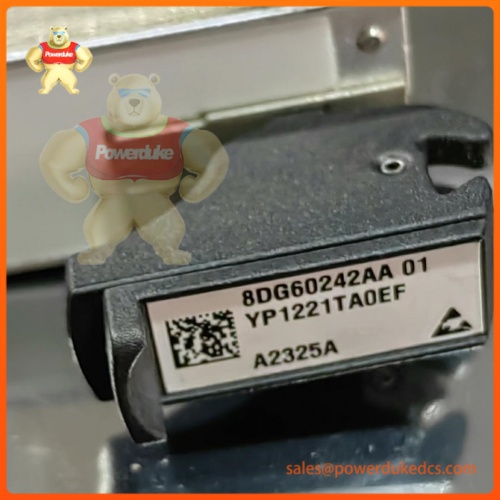
- Model & Brand: Alcatel-Lucent (Carrier-Grade Optical & Packet Network Systems Family) — Ethernet Port Communication Card / Interface Module — Part Number: 8DG59945AA
- Physical Dimensions: Standard telecommunication rack-mount electronic card/blade format designed for high-density optical multi-service node chassis insertion (Net weight: ~0.8 kg to 1.2 kg)
- Estimated Shipping Weight: Approximately 1.8 kg net (Packaged securely in multi-layer anti-static shielding containment, high-density molded protective foam, and heavy corrugated export carton)
- What’s in the Box: Alcatel-Lucent 8DG59945AA communication card unit, front-panel extraction handles, backplane alignment pins, and manufacturer conformance/test documentation.
2. Product Introduction
Structure B (Architecture hook): Engineered for modern complex network environments, carrier-grade optical transport lines, and telecommunication backbones, the Alcatel-Lucent 8DG59945AA functions as a high-performance Ethernet port communication card and interface module. Designed to facilitate robust packet data transmission, traffic aggregation, and seamless multi-service integration across Alcatel-Lucent optical nodes, this module ensures reliable, deterministic throughput under heavy carrier workloads.
Housed in a ruggedized, precision-engineered telecom blade format, the internal circuitry incorporates high-speed packet-processing components and robust optical/electrical isolation barriers. It is built to withstand rigorous central-office environmental conditions, continuous thermal stress, and strict telecommunication reliability thresholds.
3. Core Technical Specifications
| Parameter | Value |
| Component Type | Ethernet Port Communication Card / Interface Module |
| Product Family | Alcatel-Lucent Carrier Optical & Data Networking Platform |
| Part Number Designation | 8DG59945AA |
| Core Functionality | Ethernet packet transmission, interface routing, and data communication |
| System Architecture | Designed for carrier-grade multi-service subrack chassis backplanes |
| Interface Compatibility | Interoperable with matching Alcatel-Lucent optical shelves and transceivers |
| Power Supply Input | Low-voltage DC system rails sourced via central-office chassis backplane |
| Mounting Format | Hot-swappable subrack slot-mount blade profile |
| Operating Temperature Range | 0°C to +45°C continuous telecom central office threshold |
| Storage Temperature Range | -40°C to +85°C |
| Enclosure Protection Class | IP20 card module format for cabinet/chassis integration |
| Physical Net Weight | Approximately 0.8 kg to 1.2 kg |
4. Global Compliance & Industry Certifications
Type-test verification and rigid electromagnetic and telecom standards compliance are mandatory for hardware modules deployed within carrier-grade communication networks.
- Expected Certifications: CE Mark, NEBS compliance standards for telecommunication infrastructure, UL/cUL safety listings, and RoHS material compliance declarations.
- Safety Relevance: Integrated over-current protection, optical safety interlocks, and robust galvanic isolation prevent electrical faults or surges from propagating across the central switching network.
- Audit Note: Verify that module hardware release codes, software load identifiers, and subrack cross-connect provisioning align with your network management schedule prior to slot insertion.
5. Long-Term Storage & Asset Preservation Guide
Veteran Maintenance Note: Storing precision telecom communication and Ethernet interface boards in unconditioned warehouses requires strict electrostatic discharge (ESD) protection and relative humidity control to prevent micro-corrosion on gold-plated edge connectors.
- ESD Protection: Keep the communication module permanently sealed inside its original metallized anti-static shielding bag to safeguard sensitive internal microprocessors and integrated circuit chips from static strikes.
- Climate Baseline: Store the inventory in a clean, dry location maintaining relative humidity strictly below 50% non-condensing, and ambient storage temperatures between -20°C and +40°C.
- Physical Preservation: Store modules flat on dedicated anti-static shelving trays; never stack heavy inventory directly on top of the card enclosure to prevent front-panel lever distortion or connector pin bending.
6. Physical Installation Prerequisites
- Ensure that proper maintenance windows and operational change management protocols are observed before handling carrier-grade transmission equipment.
- Inspect the chassis slot backplane for clean pins and absence of dust or debris prior to module insertion.
- Align the board smoothly with the card cage guide rails, slide it forward with steady pressure, and lock the front extraction levers securely to ensure full backplane connector engagement and proper chassis ground continuity.
7. Buyer’s FAQ (Logistics & Compliance Focus)
- What Harmonized System (HS) code governs international customs clearance?The standard global export classification for this telecommunication communication module is 8517.62.0050 (Machines for the reception, conversion and transmission or regeneration of voice, images or other data, including switching and routing apparatus).
- How does Country of Origin (COO) verification impact telecom asset audits?Accurate origin tagging on commercial shipping documents ensures compliance with international trade frameworks and regional telecommunication infrastructure import mandates.
- Does this replacement communication module require software provisioning?Yes, system controllers typically require node synchronization, port configuration alignment, and software version verification via network management systems (NMS) upon replacement.
- What level of transit insurance should be specified?Always mandate fully declared-value, tracked international air cargo insurance to protect delicate printed circuit boards and high-density interface connectors against terminal drop impacts during transit.






