

Description
- Model & Brand: GE 04240FD11234A V2.2
- Physical Dimensions: 145 mm x 110 mm x 75 mm (Approximate W x H x D)
- Estimated Shipping Weight: 1.8 kg (Boxed with standard protective dunnage)
- What’s in the Box: Main circuit assembly enclosed in the anodized heatsink housing, mating terminal block plug, grounding screw, and factory compliance slip.
- 1.Product Introduction Corrosive sulfide gases and relentless turbine vibration test every millimeter of your control hardware. Protecting the continuous loop requires industrial hardware built to survive heavy ambient electrical noise (—which is common in large-scale power generation yards).
Cabinet designers integrate this specific module directly onto the standard backplane rail, routing high-density I/O signals through secured screw terminals. Maintain strict grounding protocols during installation to prevent ground loops from degrading internal analog measurements.
2.Core Technical Specifications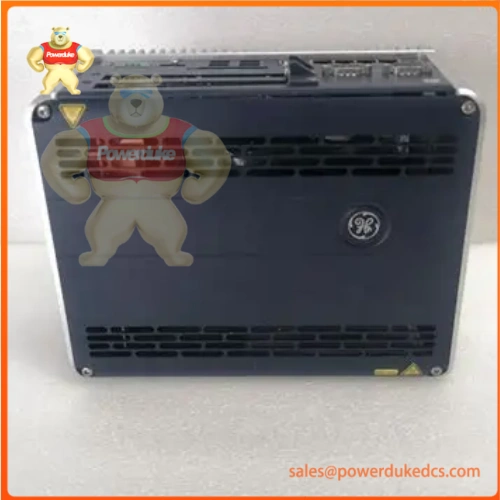
- Operating Voltage: 24 VDC nominal (tolerance range 18 to 32 VDC)
- Power Consumption: 12 W maximum under full channel load
- Heat Dissipation: 41 BTU/hr
- Processor Architecture: 32-bit RISC core with hardware watchdog
- Memory Limits: 512 KB non-volatile NVRAM, 2 MB flash storage
- Operating Temperature: -20°C to +60°C ambient
- Vibration Resistance: 1G peak acceleration from 10 to 500 Hz
- Conformal Coating: IPC-CC-830 certified acrylic blend
- 3.Global Compliance & Industry Certifications Auditors require strict paper trails for active safety loops. This hardware tier carries specific regulatory approvals necessary for heavy industrial installations.
- CE Mark: Confirms adherence to European Union electromagnetic compatibility (EMC) and low-voltage directives.
- UL/cUL Listed: Validates electrical safety standards for industrial control equipment in North America.
- ATEX/IECEx: Certifies non-incendive operation for deployment in hazardous Class I Division 2 or Zone 2 areas.
- Marine Approvals (DNV GL): Permits physical deployment aboard offshore drilling rigs and marine vessels.
Compliance Note: A Class I Div 2 rating ensures electrical arcing cannot ignite volatile surrounding gases during a fault condition. Verify specific lot certifications directly with the OEM before audit review.
4.Long-Term Storage & Asset Preservation Guide Shelf storage destroys unprotected electronics if humidity and electrostatic discharge go unmanaged. Warehouse teams should handle these inventory items with strict preservation methods.
Keep the module sealed inside its original anti-static (ESD) shielding bag to protect sensitive CMOS gates from ambient electrical fields. Maintain warehouse storage humidity strictly below 60% relative humidity to prevent moisture accumulation on the exposed circuit traces and conformal coating degradation. If your asset inventory management records show the part sitting on a shelf past 2 years, schedule a bench power test to safely reform the electrolytic capacitors before deploying it into an active live cabinet.
5.Physical Installation Prerequisites Mounting requires careful attention to thermal dynamics within the enclosure. Leave at least 50mm of vertical clearance above and below the rack to allow natural convection cooling across the anodized heatsink. Secure the chassis firmly to a grounded DIN-rail or dedicated backplane slot to maintain proper low-impedance earth continuity.
6.Buyer’s FAQ (Logistics & Compliance Focus)
- What is the correct HS Tariff Code for global customs clearance? Standard industrial automation controllers fall under HS code 8538.90.1000 for customs classification, though verify local import rulings with your broker.
- Does this unit ship with the latest firmware version pre-loaded? Units ship with the baseline firmware version matching the V2.2 hardware revision; verify project compatibility before applying field firmware updates.
- How does the Country of Origin (COO) affect trade documentation? The COO dictates regional trade agreement eligibility and must match the commercial invoice to prevent customs holds during international freight transit.
- Is high-value shipping insurance necessary for transit? Insuring the shipment for full replacement value is critical, as delicate internal oscillator crystals can fracture under severe mechanical drop impacts during courier transport.






