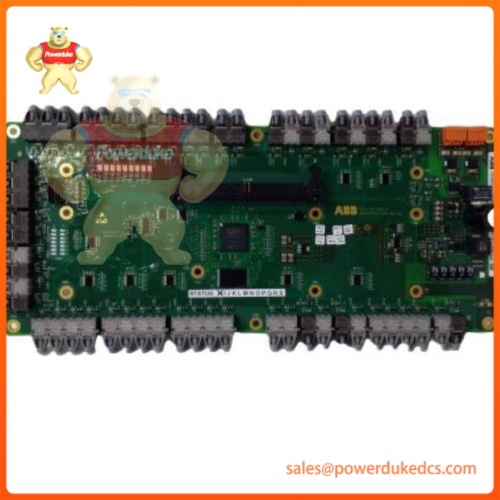
Description
 1. Unboxing & Physical Snapshot
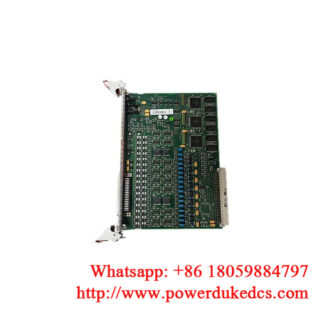
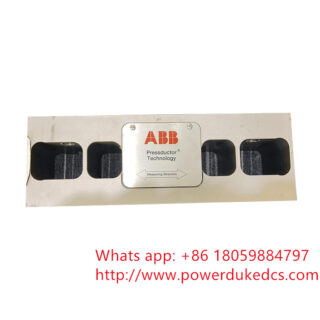
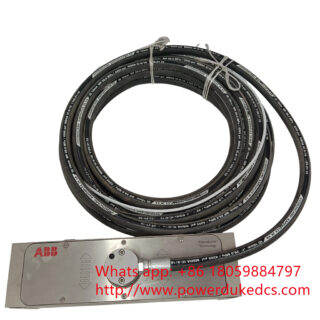
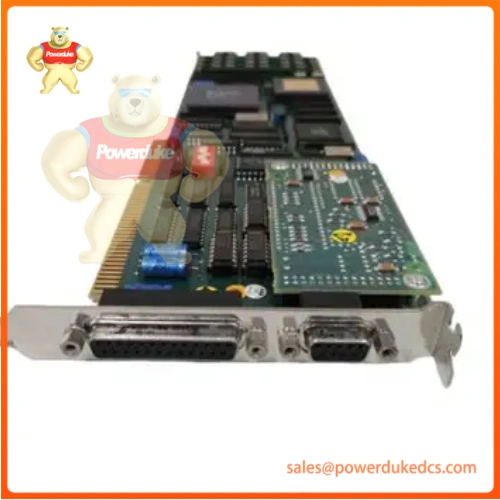
- Model & Brand: ABB DSPU131 / MasterAid 200 (Part Number: 3BSE000355R1)
- Physical Dimensions: 334.6 mm (Length) x 121.9 mm (Height) x 21 mm (Width)
- Estimated Shipping Weight: 0.42 kg (Net hardware weight; factor approximately 1.1 kg for double-walled ESD transit cartons)
- What’s in the Box: Bare printed circuit board assembly with edge connectors, factory antistatic pink polyethylene shielding bag, and compliance insert sheet (terminal blocks and backplane anchoring screws sold separately).
2. Product Introduction
This hardware architecture mounts directly into legacy ABB Advant Master and MasterAid 200 rack environments, functioning as an indispensable communication bridge for high-integrity process controllers. Maintaining strict deterministic timing across the AT-bus depends entirely on the healthy signal processing paths embedded within this specific printed circuit assembly.
Cabinet designers rely on its rigid profile to slide securely into dedicated backplane slots without introducing mechanical binding or backplane pin distortion. (Take care not to force the gold-plated fingers if the subrack guide rails have accumulated dust or cabinet particulate over decades of operation.) Every replacement cycle mandates verifying correct revision codes to prevent fatal handshaking errors during controller boot sequences.
3. Core Technical Specifications
- Product Family: Advant OCS / MasterAid 200
- Item Designation: Interface Board / Signal Processor
- Power Consumption: Low-voltage DC rail draw sourced directly from subrack backplane (Typically < 15W)
- Operating Temperature Range: +0°C to +55°C (Standard industrial control room envelope)
- Conformal Coating: Applied per industrial tier guidelines to resist localized humidity
- Bus Interface Type: Proprietary Advant Terminal Bus (AT-bus)
- Enclosure Protection: Open-type equipment requiring installation inside a locked IP54 or NEMA 12 cabinet
- Diagnostic Indicators: On-board LED status array for hardware fault and communication loop verification
4. Global Compliance & Industry Certifications
- Expected Regulatory Standards: CE Mark, RoHS-exempt status under industrial monitoring and control category exemptions, and WEEE Category 5 compliance.
- Safety Context: While this specific board lacks onboard energy-storage components capable of igniting volatile atmospheres independently, deploying it inside a Class I Div 2 or Zone 2 certified enclosure protects the broader loop architecture from electrical anomalies.
- Audit Directive: Verify specific lot certificates and country-of-origin documentation directly with the OEM before installing this asset into nuclear or safety-instrumented systems (SIS).
5. Long-Term Storage & Asset Preservation Guide
- Leave the printed circuit board inside its original factory moisture barrier bag alongside the desiccant pack until the exact hour of physical deployment.
- Store the asset flat on industrial shelving in an environment where relative humidity remains strictly below 60% to avoid corrosion of the delicate trace layers and edge fingers.
- Inspect the gold-plated card edge connectors annually for tarnish, cleaning them only with anhydrous isopropyl alcohol and a lint-free swab if oxidation appears.
6. Physical Installation Prerequisites
- Maintain a minimum vertical clearance of 50mm above and below the subrack housing to allow natural convective airflow across the component layout.
- Ensure the subrack chassis frame is bonded to a low-impedance ground bus bar using copper braid to mitigate electromagnetic interference (EMI).
- Align the top and bottom guide slots carefully before engaging the board into the backplane connector to prevent bent pins on the DIN 41612 interface.
7. Buyer’s FAQ (Logistics & Compliance Focus)
- Q: What is the correct Harmonized System (HS) code for international customs clearance?
A: Use HS code
8538.90(Parts suitable for use solely or principally with the control apparatus of heading 8537). - Q: Does this surplus module arrive pre-loaded with firmware?
A: No, firmware execution parameters and node addresses are dictated by the system software configuration and node switches loaded during network commissioning.
- Q: Is transit insurance mandatory for high-value shipments?
A: Yes, always secure full-value freight insurance due to the fragile nature of vintage printed circuit assemblies and the high replacement cost associated with obsolete automation hardware.
- Q: What is the verified Country of Origin (COO) for standard auditing?
A: Historically manufactured in Sweden or Switzerland; verify the specific manufacturing facility stamp on the external cardboard box label prior to export filing.