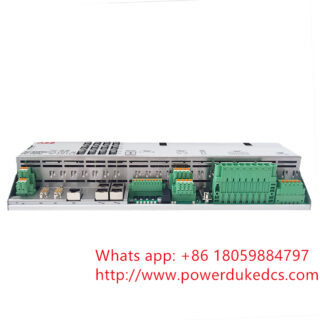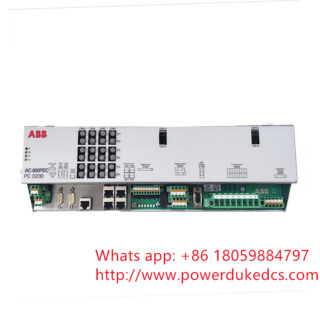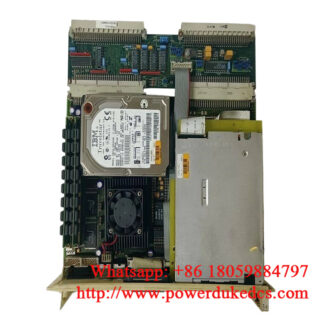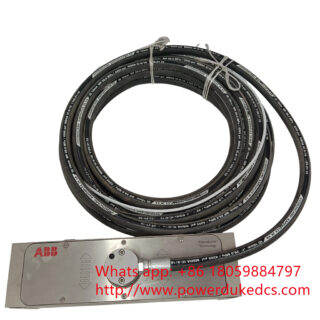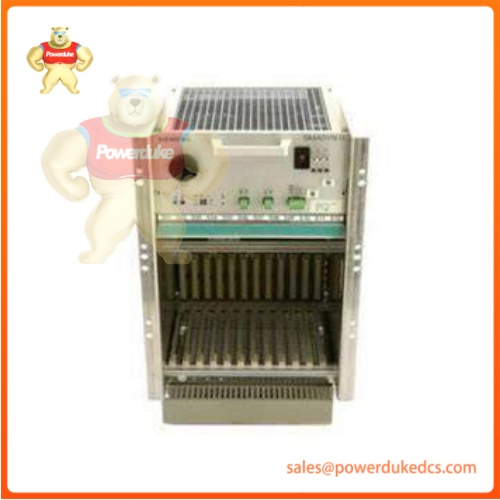
Description
1. Unboxing & Physical Snapshot
- Model & Brand: 6DD1682‑0BC3, Siemens SIMADYN‑D SR12.3 rack fan blower assembly (obsolete OEM spare for SE20 / SU10 drive racks)
- Physical Dimensions (Approximate W × H × D): 146 mm × 146 mm × 85 mm, dedicated slide‑in fan‑slot form‑factor for SIMADYN‑D subracks
- Estimated Shipping Weight: 2.1 lb (0.95 kg net unit weight; includes fan‑blower assembly, protective grille, static‑shield bag, foam‑reinforced carton)
- What’s in the Box: Complete rack‑mount fan‑blower unit, built‑in wiring connector, OEM printed installation datasheet; host SE20/SU10 subrack sold separately (verify mechanical fit, operating voltage and airflow direction before spare procurement to avoid commissioning delays for metal rolling, winder and heavy‑duty DC‑drive systems)
2. Product Introduction (Structure B – Architecture hook)
This 6DD1682‑0BC3 forced‑air cooling blower slides into the dedicated fan bay of SIMADYN‑D SE20 / SU10 subracks, delivering directed convection cooling for PM‑series CPU, T400 technology and communication Eurocard modules inside the drive rack. Fully seated connector contacts guarantee continuous airflow and thermal dissipation; loose seating or degraded fan performance elevates component junction temperatures and triggers unpredictable module thermal trips that mimic CPU or power‑supply faults within critical high‑performance drive‑control strategies.
Reliability teams must validate full part‑number and hardware revision prior to spare rotation. Mechanically similar substitute blowers exist with different supply‑voltage ratings, rotational direction and airflow capacity. A dimensionally‑fitting mismatched fan assembly inserts into the rack bay yet fails to deliver required cooling performance (a well‑documented outage risk within steel‑processing, converting and heavy‑industry drive facilities). No software parameter adjustment can compensate for insufficient rack cooling airflow.
3. Core Technical Specifications
| Parameter | Value |
|---|---|
| Module Type | SIMADYN‑D SR12.3 subrack AC cooling fan‑blower unit |
| Supply Voltage | 230 V AC, 50 / 60 Hz |
| Nominal Power Draw | 52 W typical |
| Airflow Capacity | 180 m³/h free‑air rating |
| Nominal Rotational Speed | 2600 RPM |
| Mounting | Slide‑in dedicated fan‑slot for SE20 / SU10 SIMADYN‑D subracks |
| Operating Ambient Temperature | −10 °C to +60 °C (cabinet ambient air) |
| Storage Temperature Range | −40 °C to +85 °C |
| MTBF (Reference OEM) | 50 000 hours under rated operating conditions |
| Enclosure Rating | IP20 (cabinet‑mount‑only installation) |
| Conformal Coating | Non‑coated OEM blower‑assembly construction |
4. Global Compliance & Industry Certifications
- CE Mark aligned with EMC and low‑voltage equipment directives
- UL/cUL Listed for industrial‑rack cooling auxiliary hardware
- CSA certification for North American cabinet deployments
- ATEX / IECEx Zone 2 qualification for eligible production lots
UL listing validates electrical safety, transient‑withstand and insulation performance for industrial drive‑cubicle environments. Verify specific‑lot certifications against OEM hardware documentation.
5. Long‑Term Storage & Asset Preservation Guide
Store this fan‑blower assembly sealed inside its original ESD‑shield bag for warehouse shelf storage. Open static pouch exclusively at a properly‑grounded ESD workstation; avoid manual rotation of fan impeller during long‑term storage to prevent bearing pre‑stress.
Maintain storage‑vault relative humidity below 60 %, non‑condensing. Sustained high‑humidity exposure degrades fan‑motor winding insulation and lubricant properties. Extended shelf‑storage may degrade bearing grease; pre‑run bench testing is strongly recommended before field deployment.
No user‑serviceable on‑board lithium backup battery resides on this assembly. Every 18‑months inspect impeller for dust‑contamination and connector pins for oxidation or mechanical damage; deformed contacts create intermittent fan operation and unplanned rack over‑heating events.
6. Physical Installation Prerequisites
Execute lock‑out‑tag‑out procedures and de‑energize the SIMADYN‑D SE20/SU10 subrack. Slide the blower unit fully into the dedicated fan‑slot until the wiring connector achieves positive latching engagement. Confirm correct airflow direction matching original OEM specification; reversed airflow invalidates designed thermal dissipation performance.
Maintain unobstructed intake and exhaust clearances around the rack cabinet. Blocked intake / exhaust openings negate fan‑assembly cooling capacity and produce thermal‑induced drift and hardware shutdowns for CPU and technology boards.
Torque cabinet protective‑earth connections to OEM‑specified torque value. Tie cabinet protective‑earth to facility plant ground bus, never rely solely on signal‑cable shielding. After hardware replacement, power‑on the rack and verify smooth fan‑impeller rotation, absence of abnormal vibration or acoustic noise, and monitor rack‑module temperature diagnostics before returning system to live production duty. Hot‑swap insertion‑removal is not supported.
7. Buyer’s FAQ
Q: What Harmonized System tariff code applies to 6DD1682‑0BC3 for cross‑border shipments?
A: This legacy Siemens SIMADYN‑D rack fan assembly maps to HS 841459 for industrial cooling‑fan assemblies. Customs inspectors commonly require full part‑number plus hardware‑revision documentation. Confirm classification cooperating with your import broker before tendering freight.
Q: How does Country of Origin impact audit acceptance for this end‑of‑life cooling spare?
A: Plant audit checklists cross‑reference nameplate Country‑of‑Origin markings against site‑approved asset registers. Parallel‑sourced spares carrying mismatched COO markings trigger formal audit observations, even when bench spin‑up testing appears normal.
Q: Should supplementary shipping insurance be purchased for this obsolete SR12.3 fan‑blower spare?
A: Yes. Transit shock can damage fan‑motor bearings, deform impeller blades or produce connector‑pin damage. Many mechanical defects may not be apparent by superficial visual inspection. Secure full‑value all‑risk coverage; standard carrier cargo terms exclude hidden mechanical damage to rotating‑component hardware.
Q: Does the delivered 6DD1682‑0BC3 ship pre‑loaded with site‑specific thermal‑monitoring configuration?
A: Factory‑sealed OEM units are purely electromechanical cooling hardware, containing no programmable firmware. Rack thermal‑monitoring thresholds reside within the SIMADYN‑D host‑processor D7‑SYS project and are not stored within this fan assembly. After replacement, validate rack‑level module temperature telemetry before placing the spare hardware into live heavy‑drive production duty.